Discover Lucy Amaral Studio Branding for modern luxury →
Pastel Punk & Rococo: Deconstructing the Marie Antoinette Aesthetic
When I first watched Marie Antoinette, I didn’t fully get it.
As a young aesthete, I was excited to see it and had high expectations, but it didin’t entertain me the way I thought it would.
I remember appreciating parts of it, the visuals, the costumes, the softness, but something felt distant. And boring.
Now, revisiting Marie Antoinette with a much more refined aesthetic eye (in my opinion hehe), it feels like watching a completely different film. What once seemed slow or disconnected now reads as incredibly intentional. The film is not trying to tell history in a traditional way. Hell, it’s not even trying to tell a story, honestly. Which is probably why I felt disappointed back then. But it is doing something much more interesting, that my current self appreciates much more.
It’s translating a feeling.
It’s always been a known fact that the film is not really about historical events. It’s about emotional experience. Sofia Coppola reframes Versailles not as a political stage, but as a teenage dream turned into a surreal, suffocating reality. The palace becomes a fantasy world filled with beauty, indulgence, and endless distractions, but underneath that, it functions as a kind of soft prison. Everything is visually perfect, yet emotionally hollow. The film is less concerned with what happened and much more focused on what it felt like to be young, observed, and completely lacking control over your own life.
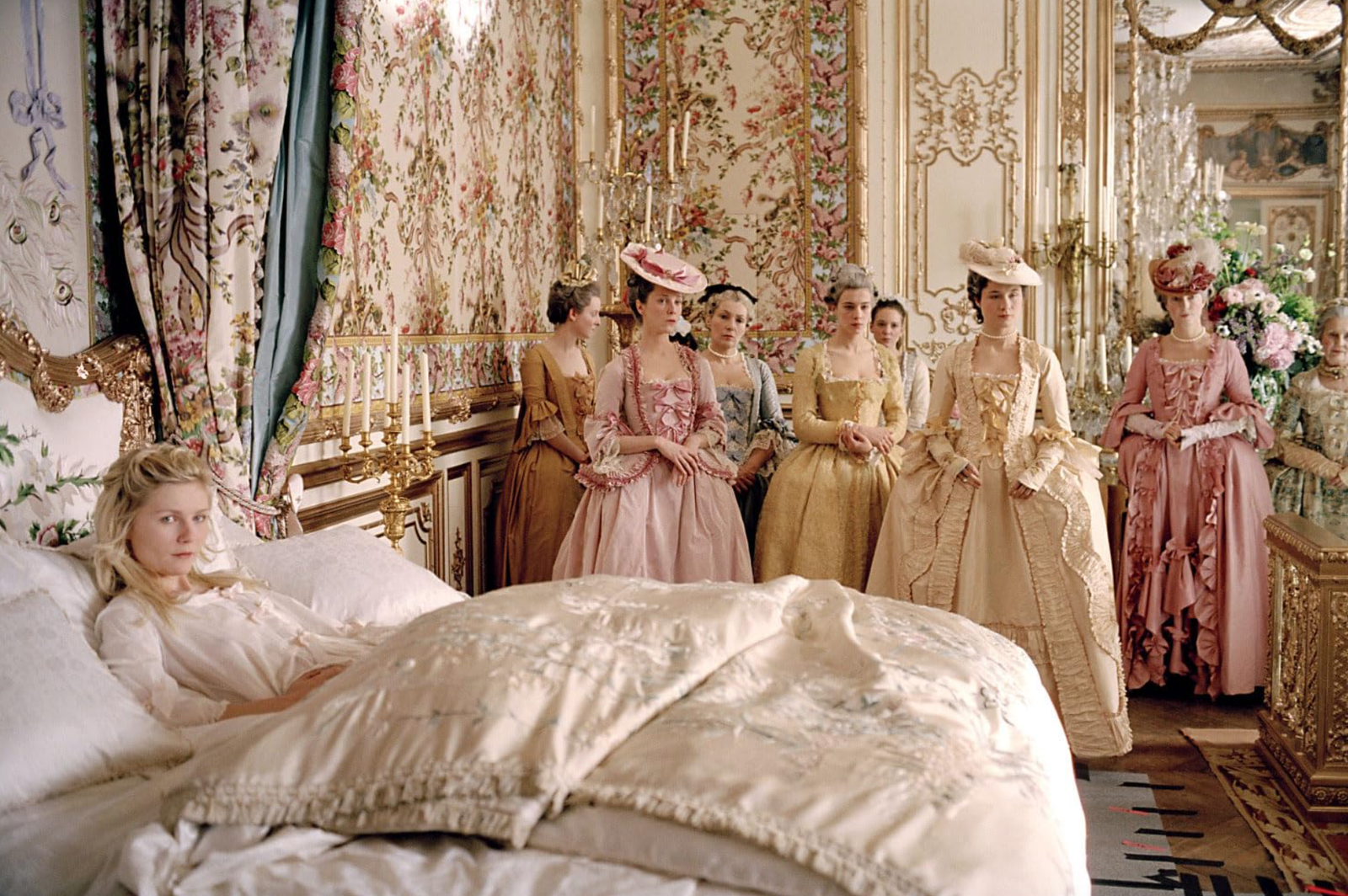
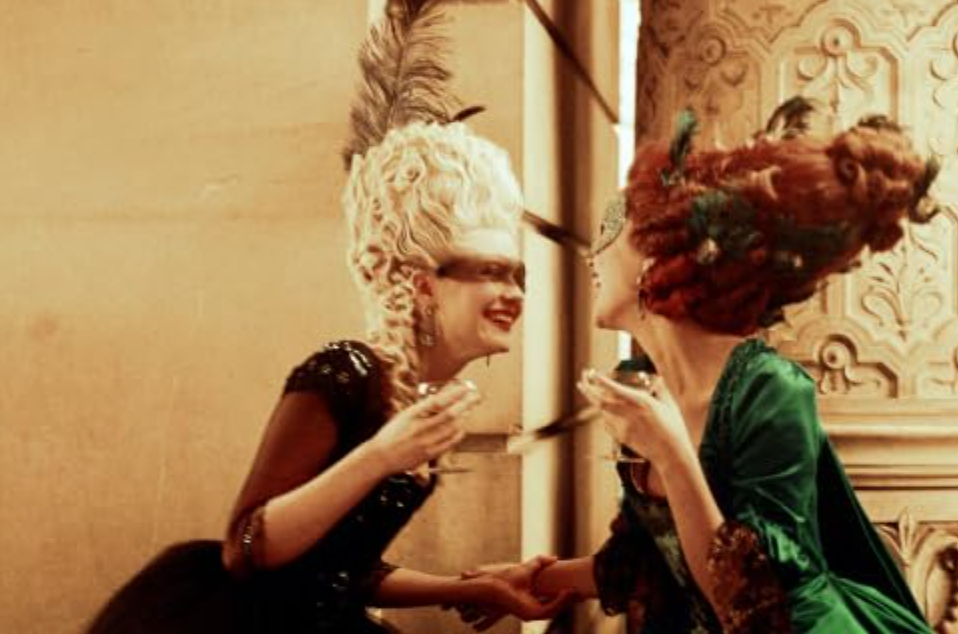
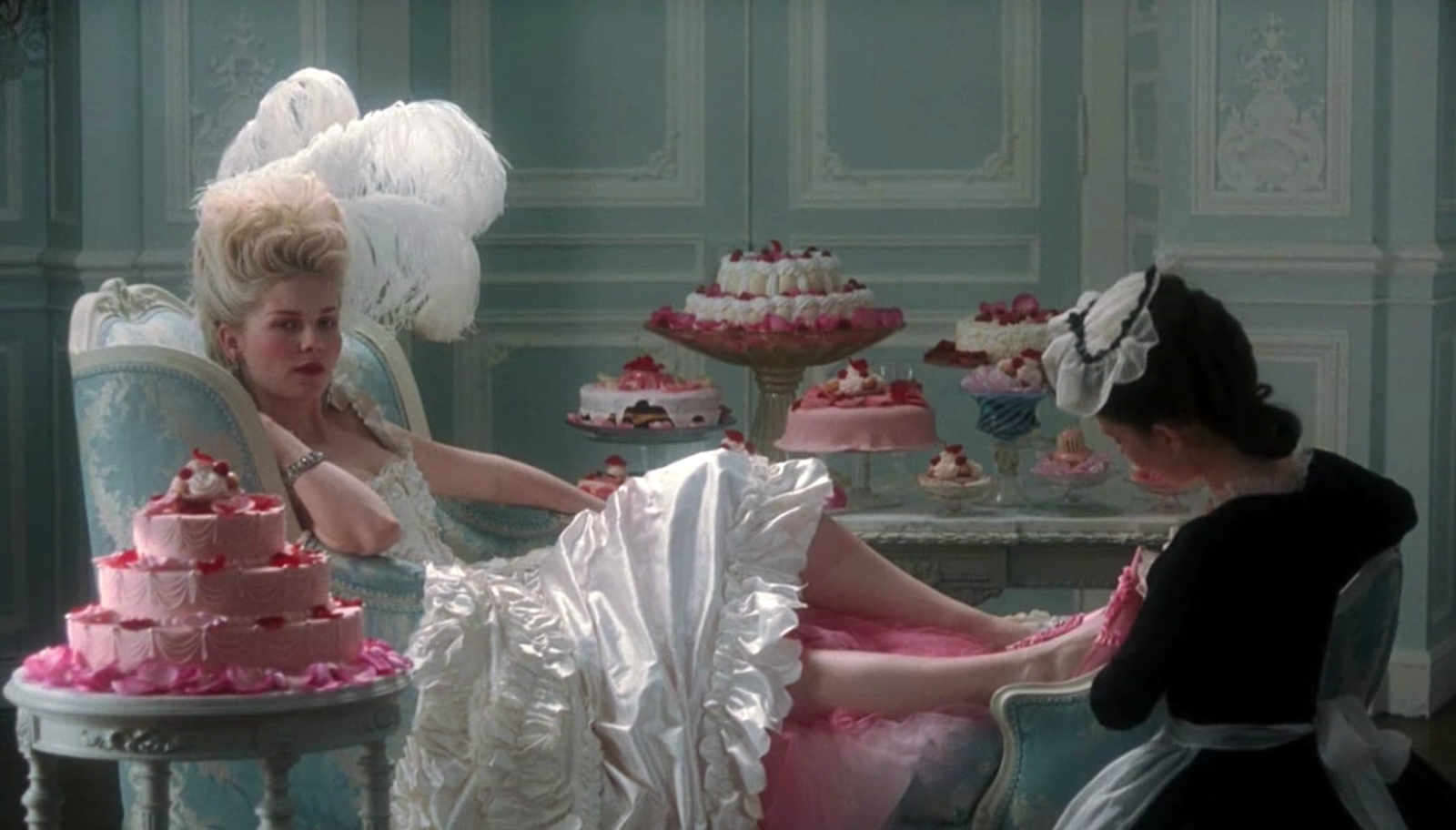
The styling plays a huge role in building this world. Costume designer Milena Canonero created looks that are rooted in Rococo fashion but filtered through a modern lens. The color palette leans into soft, edible tones like pistachio, blush, lavender, and cream.
Fabrics are overwhelmingly delicate and hyper-feminine, filled with silk, lace, satin, and feathers. The sheer volume of outfits becomes part of the storytelling. It reflects excess, but also distraction, as if fashion itself is being used to fill an emotional void.
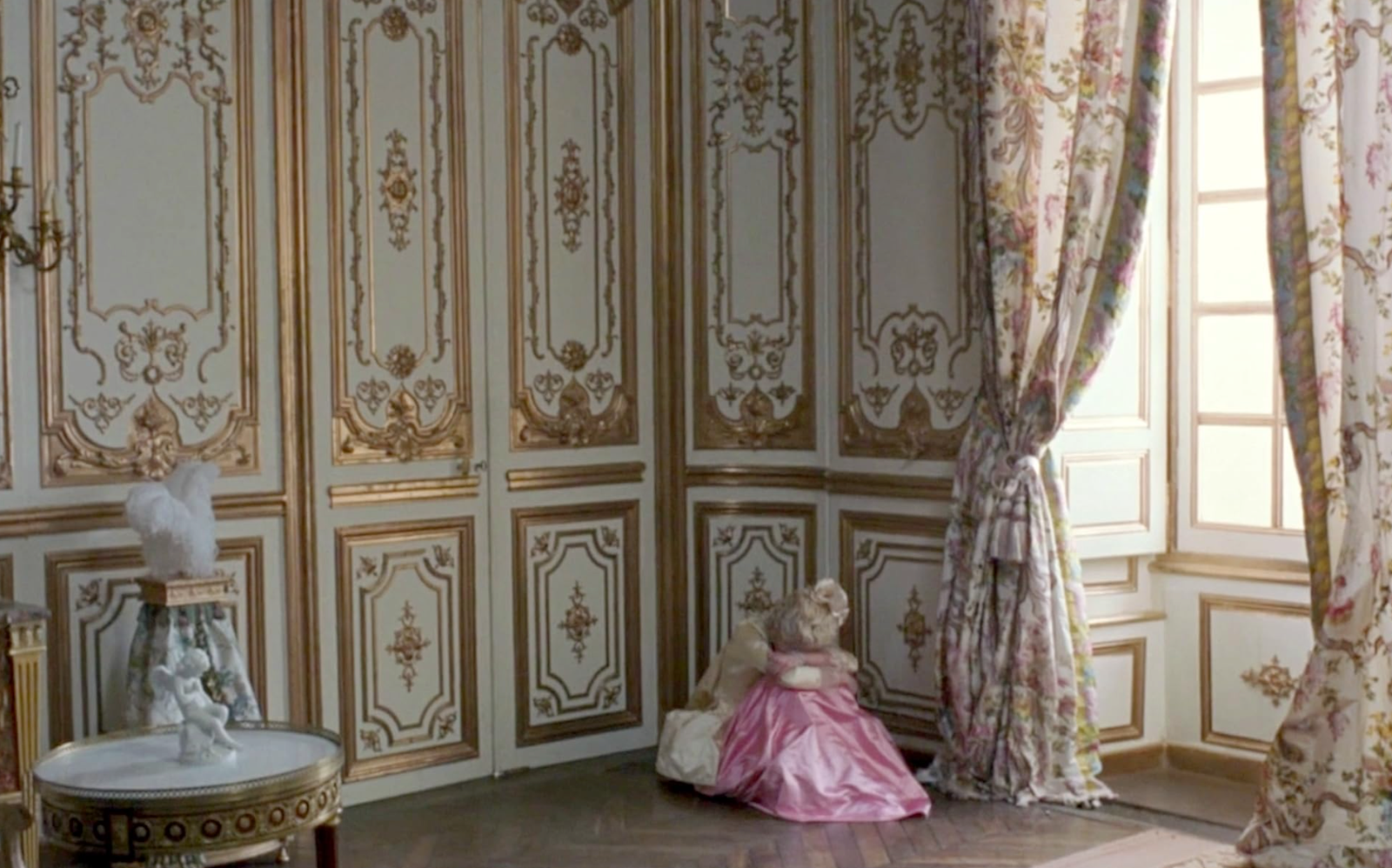
What makes the styling especially striking is how it subtly connects to early 2000s celebrity culture. The now-iconic Converse sneaker cameo makes that intention explicit, but even without it, the film often feels closer to a fashion editorial than a traditional period drama. The shoe montage, in particular, reads like a luxury campaign.
Marie Antoinette is not styled like a distant historical queen. She feels like a rich teenage girl navigating identity through consumption. That’s a big reason why the film resonates so strongly today. It mirrors visual behaviors that have become second nature in the age of Pinterest and TikTok.
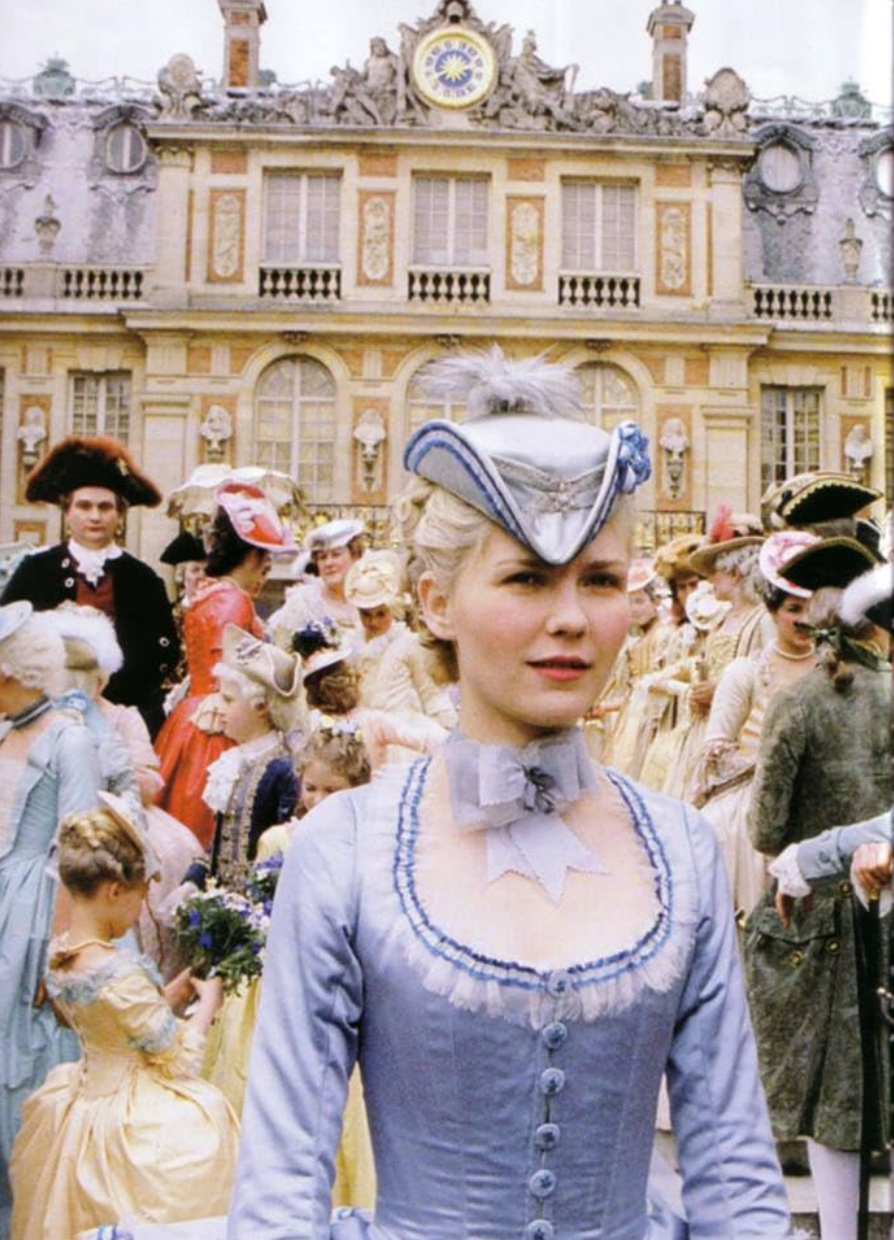
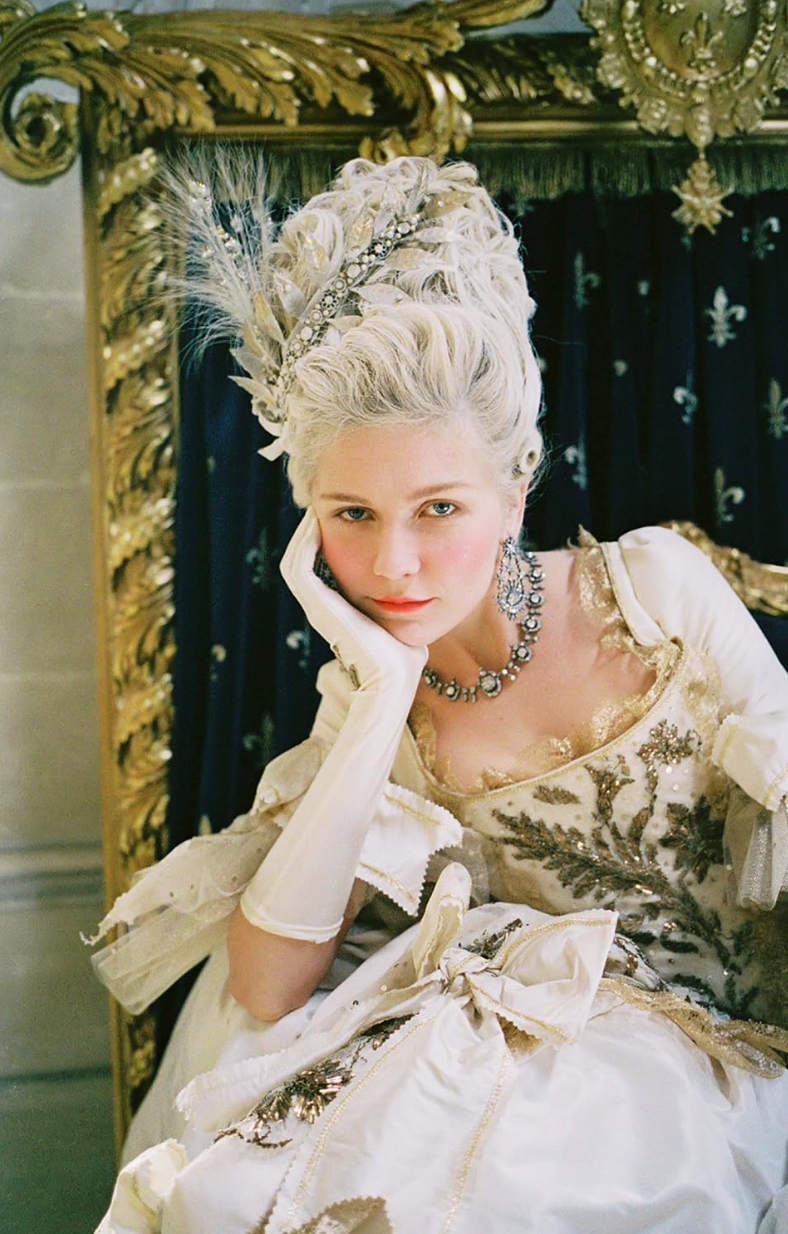
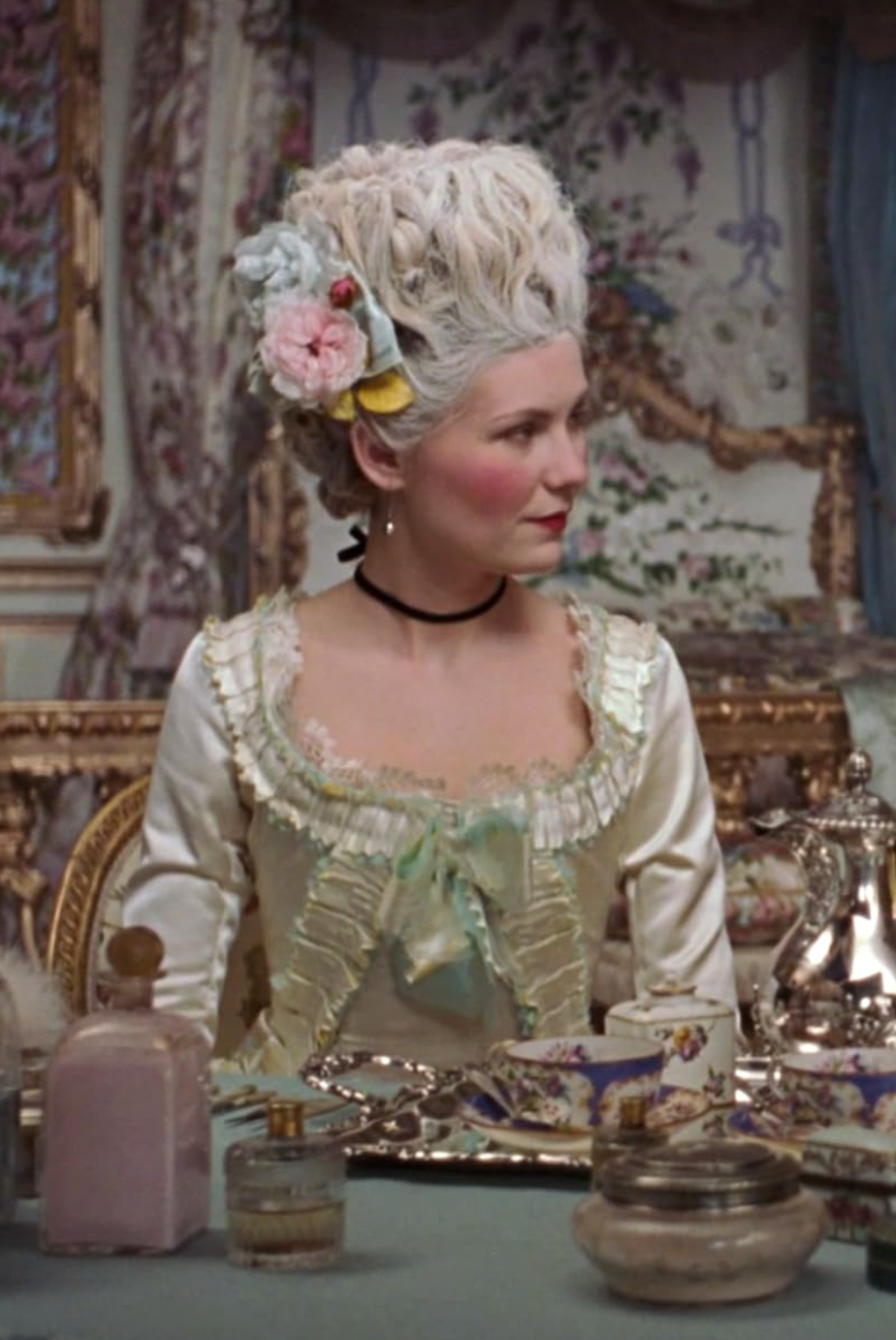
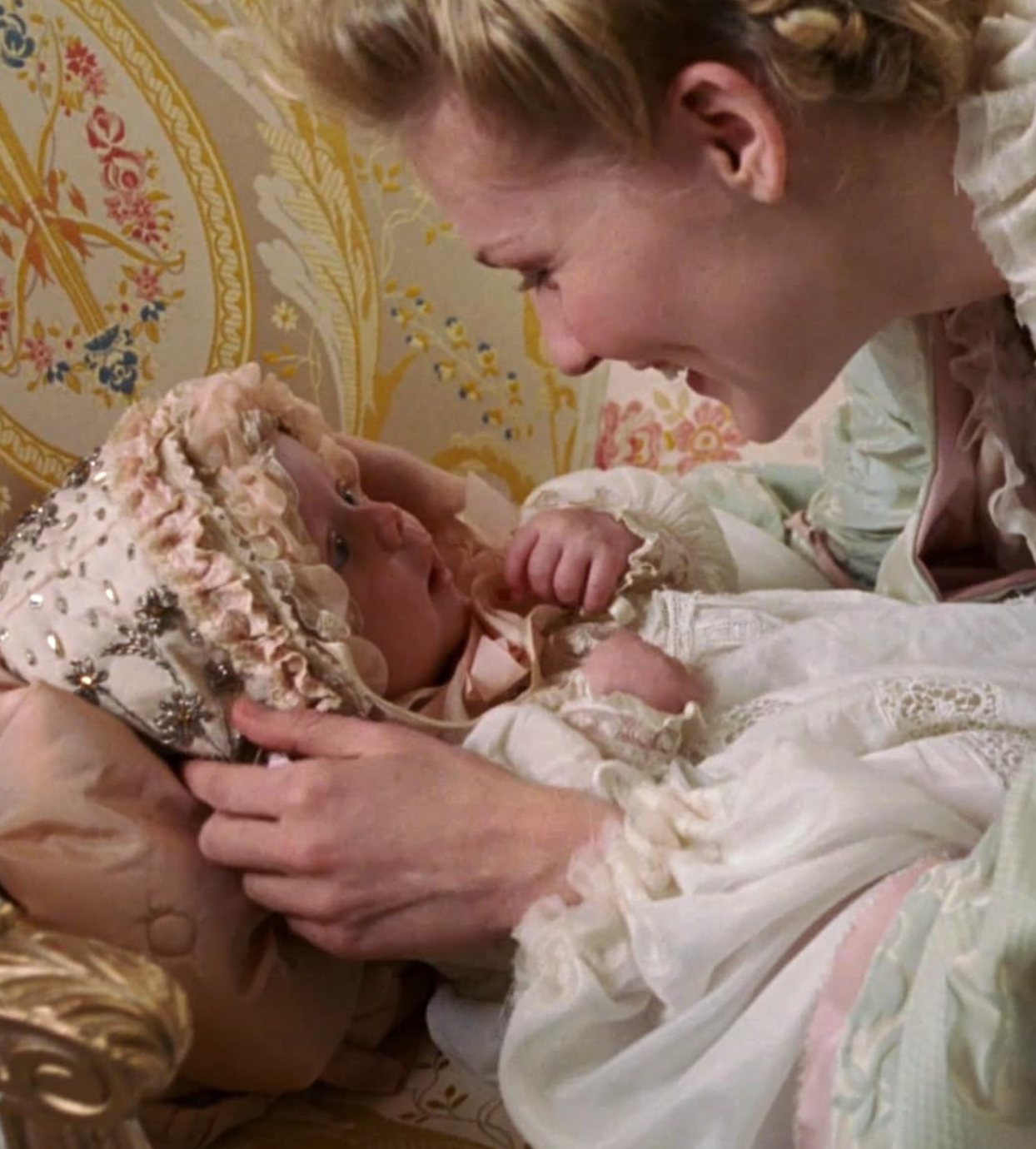
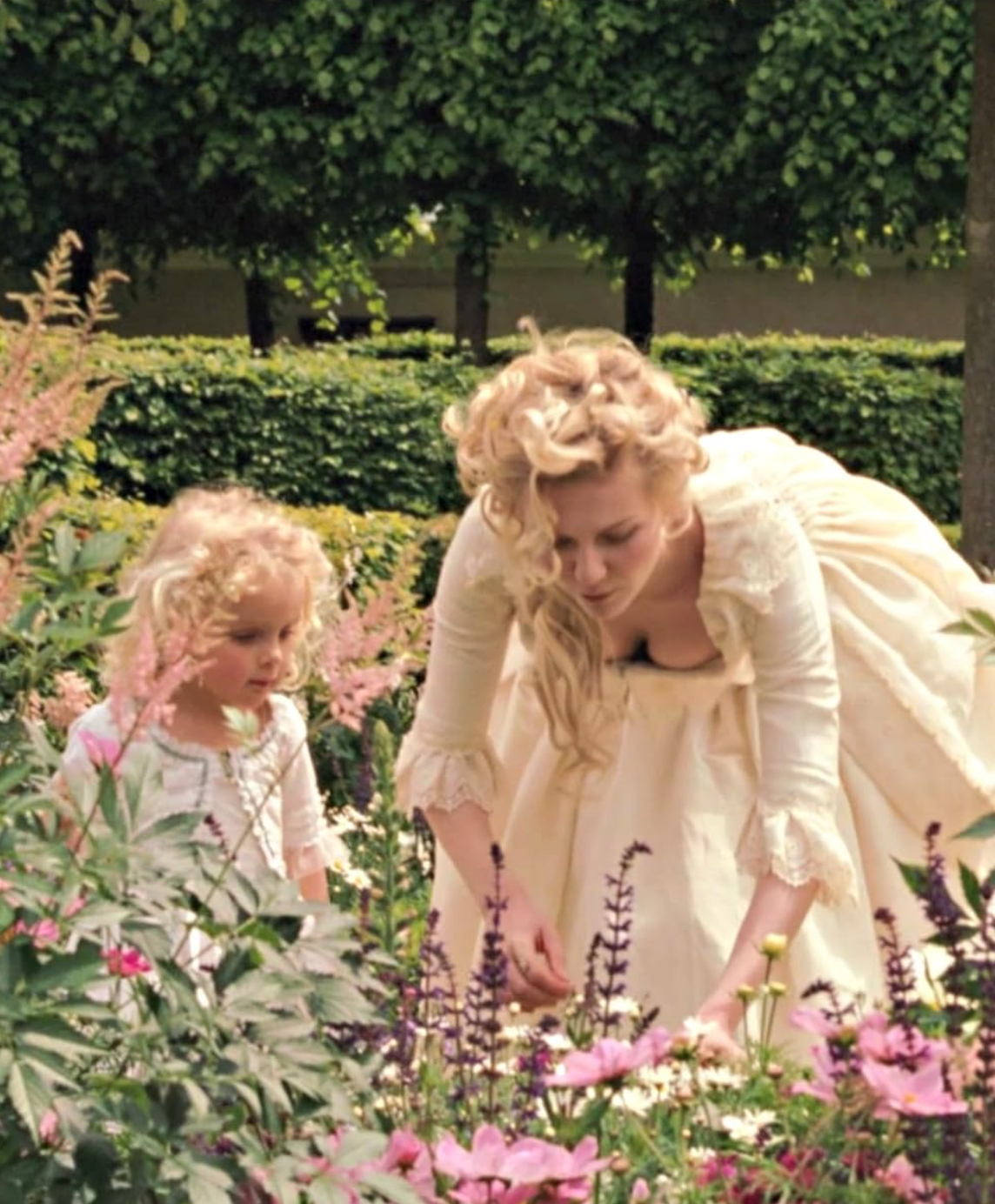
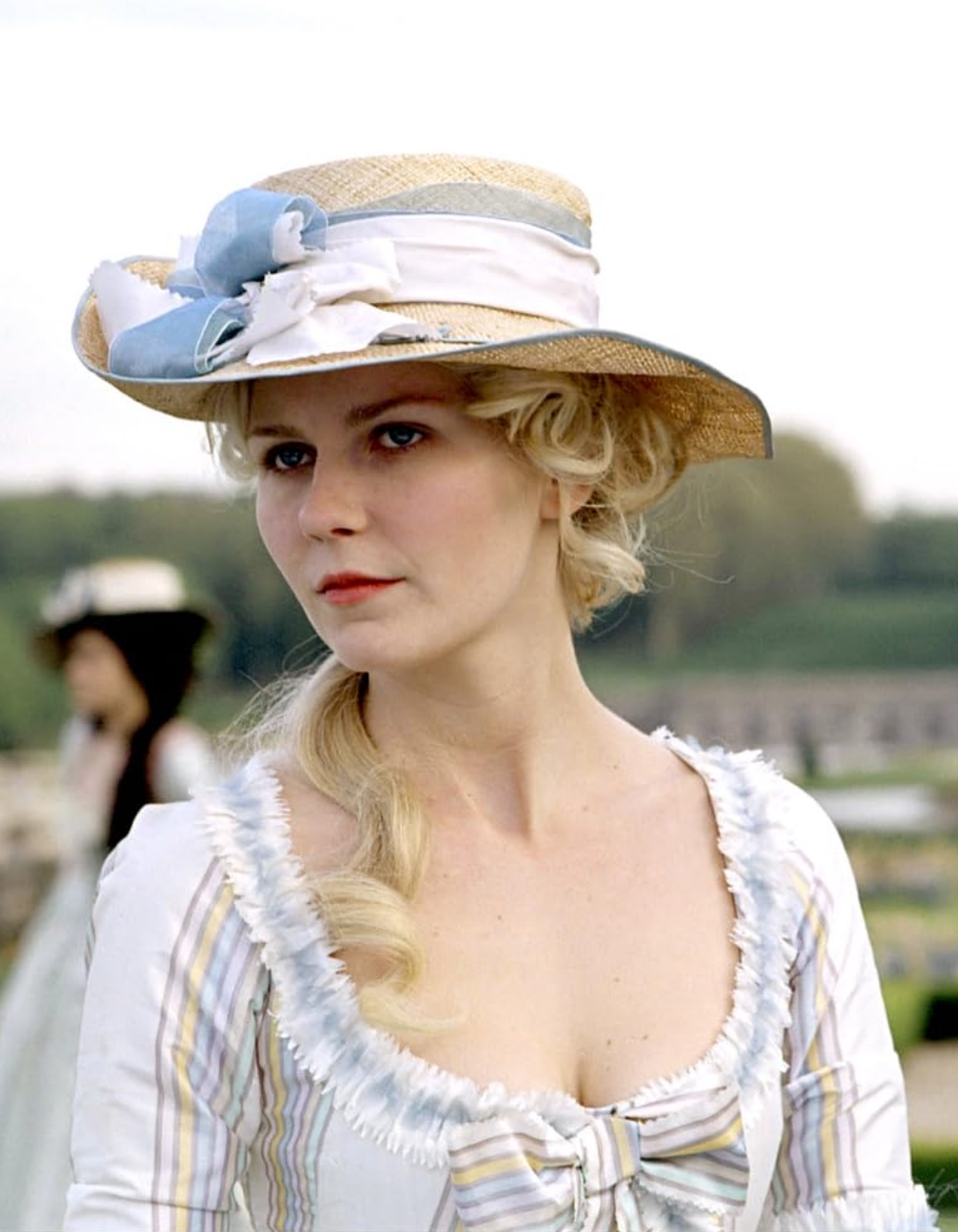
The beauty direction follows a similarly intentional path. Skin is soft, powdered, almost unreal, like porcelain. Cheeks are flushed, lips look naturally bitten, and everything carries a sense of delicacy. As the film progresses, that perfection begins to loosen. The hair becomes less structured (more on that later), the makeup less controlled.
There’s a subtle shift from performance to something more human. You can feel the weight of the role slipping, even if nothing is explicitly stated.
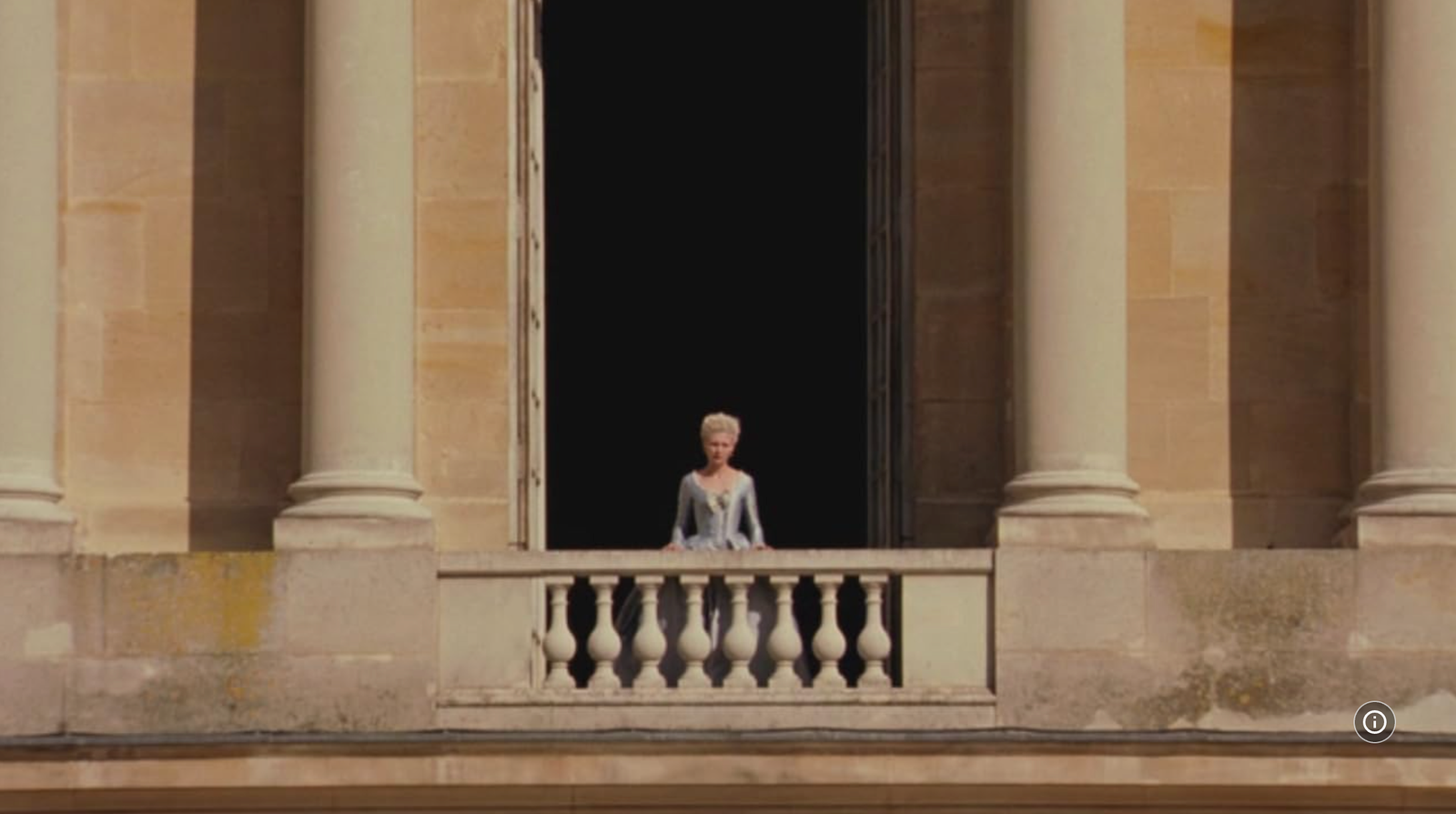
Cinematography reinforces this emotional tension between spectacle and isolation. Shot by Lance Acord, the film relies heavily on natural light and soft diffusion, creating a hazy, almost dreamlike quality. The use of space is particularly important. Large, ornate rooms are framed in a way that makes them feel empty rather than grand.
The scale emphasizes distance and loneliness instead of power. At the same time, intimate close-ups bring us directly into Marie Antoinette’s emotional world. That contrast creates a constant push and pull between the external beauty of Versailles and the internal isolation she experiences.
One of the boldest choices in the film is the soundtrack. Instead of using period-accurate music, Coppola introduces artists like The Strokes, New Order, Bow Wow Wow, and Siouxsie and the Banshees. This anachronism completely shifts how the story is experienced. The music acts as an emotional translator rather than a historical reference. It connects 18th-century aristocratic boredom to modern youth culture in a way that feels immediate and intuitive.
The “I Want Candy” sequence, for example, transforms Versailles into something closer to a shopping spree montage than a royal setting. At the time, this choice was controversial. Now, it’s one of the most influential aspects of the film.
The approach to historical accuracy follows the same philosophy. The film intentionally avoids deep political explanations or detailed context about the French Revolution. This was widely criticized when it was released, but it becomes much more understandable when you consider the perspective being portrayed.
Marie Antoinette herself was removed from the political reality around her. By limiting the audience’s understanding, the film mirrors her own. History becomes distant, blurred, almost irrelevant, which makes the emotional experience more focused and, in a quiet way, more powerful.
When the film premiered at the Cannes Film Festival, the reaction was famously divided. It was both booed and applauded. Many critics dismissed it as style over substance or criticized its lack of historical depth. Others immediately recognized its originality and its unique visual language. It didn’t fit neatly into expectations, especially for a period drama, and that mismatch played a big role in how it was initially received.
Over time, though, its cultural position has completely shifted. The film and the “Marie Antoinette Aesthetic” has become a visual reference point across multiple generations of internet aesthetics. It found new life on Tumblr in the 2010s, became a staple on Pinterest shortly after, and now continues to circulate heavily on TikTok. Its themes of curated femininity, consumption as identity, and aestheticized loneliness feel even more relevant today than they did at release. In many ways, it anticipated the visual language of social media before that language fully existed.
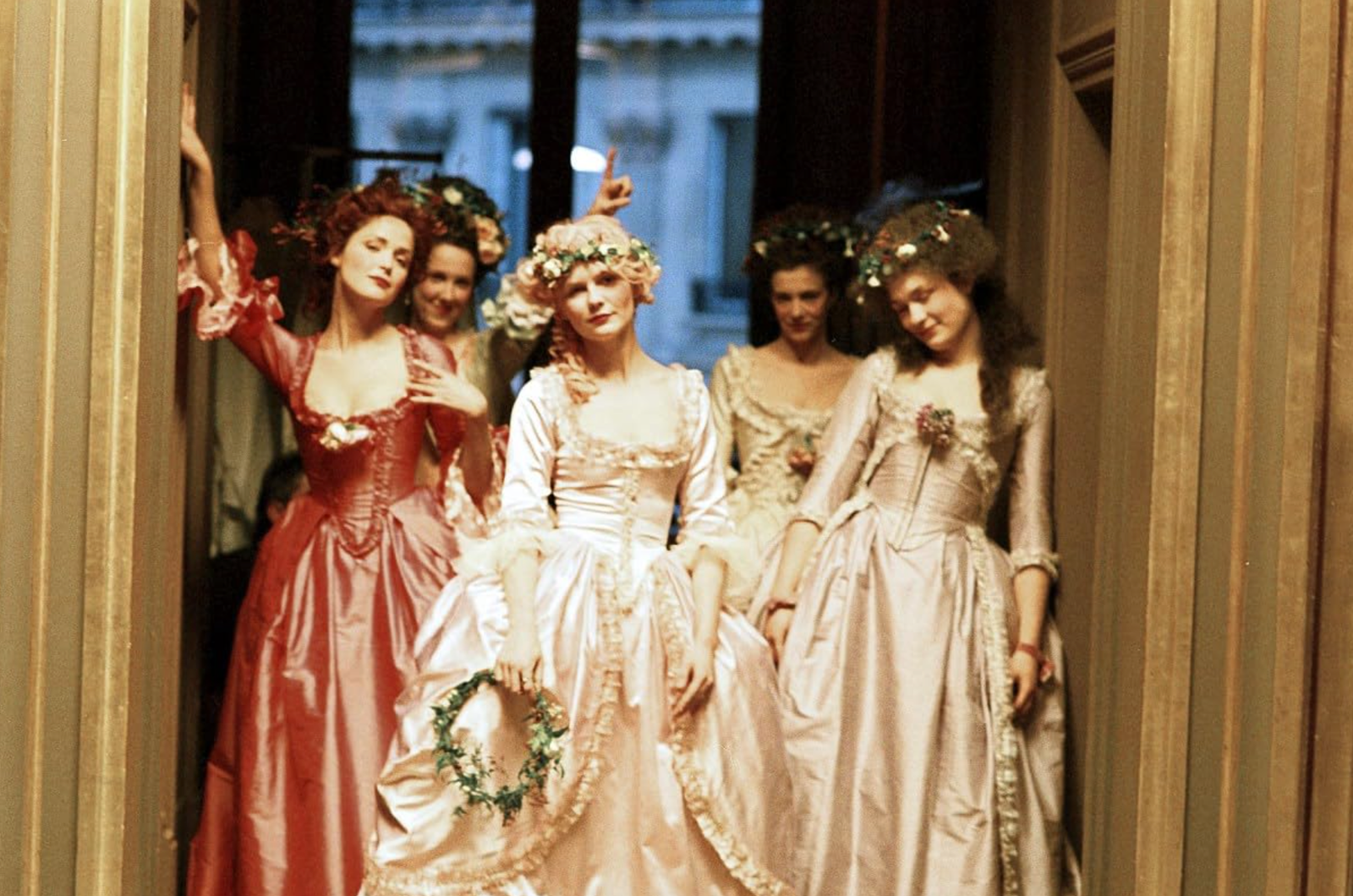
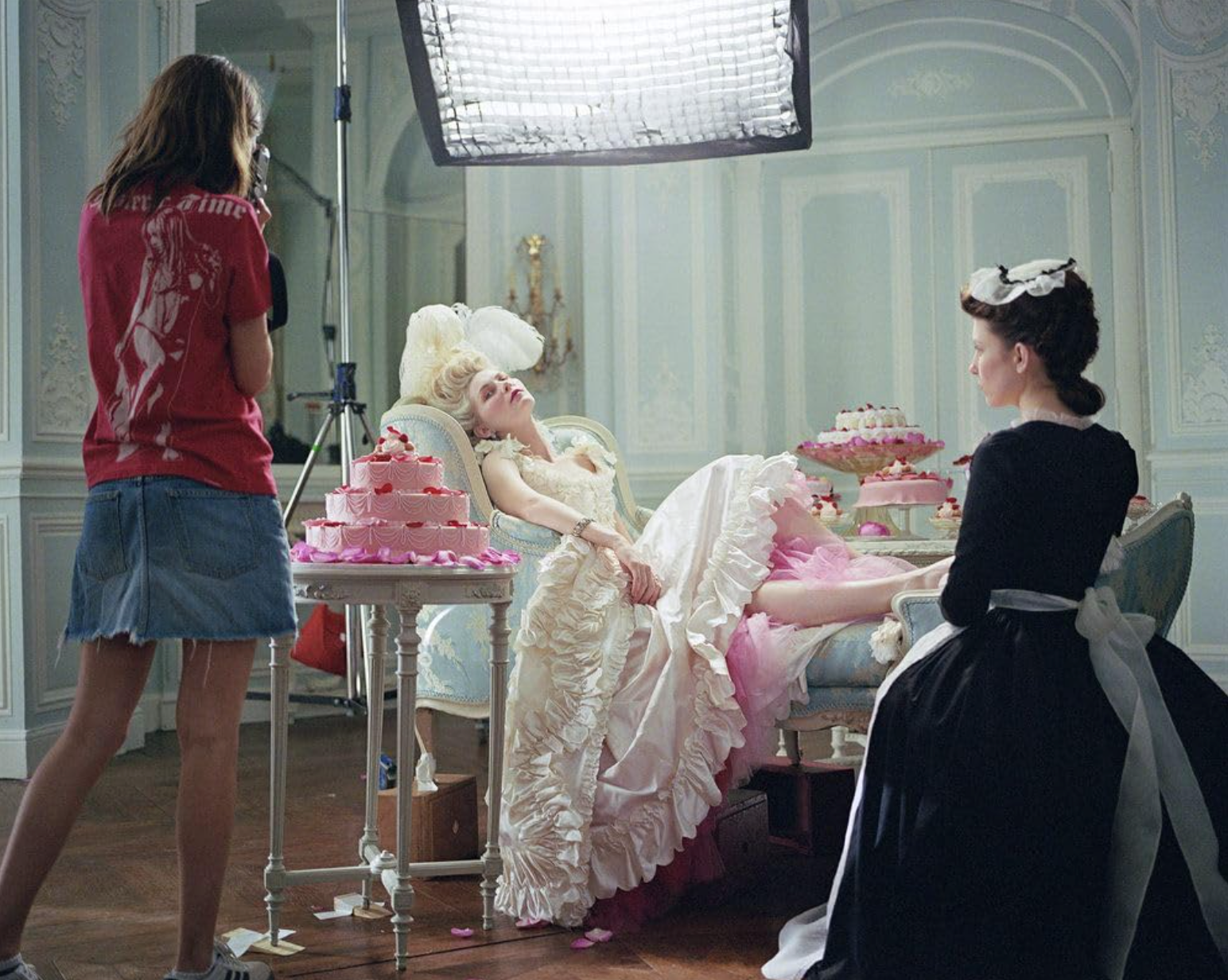
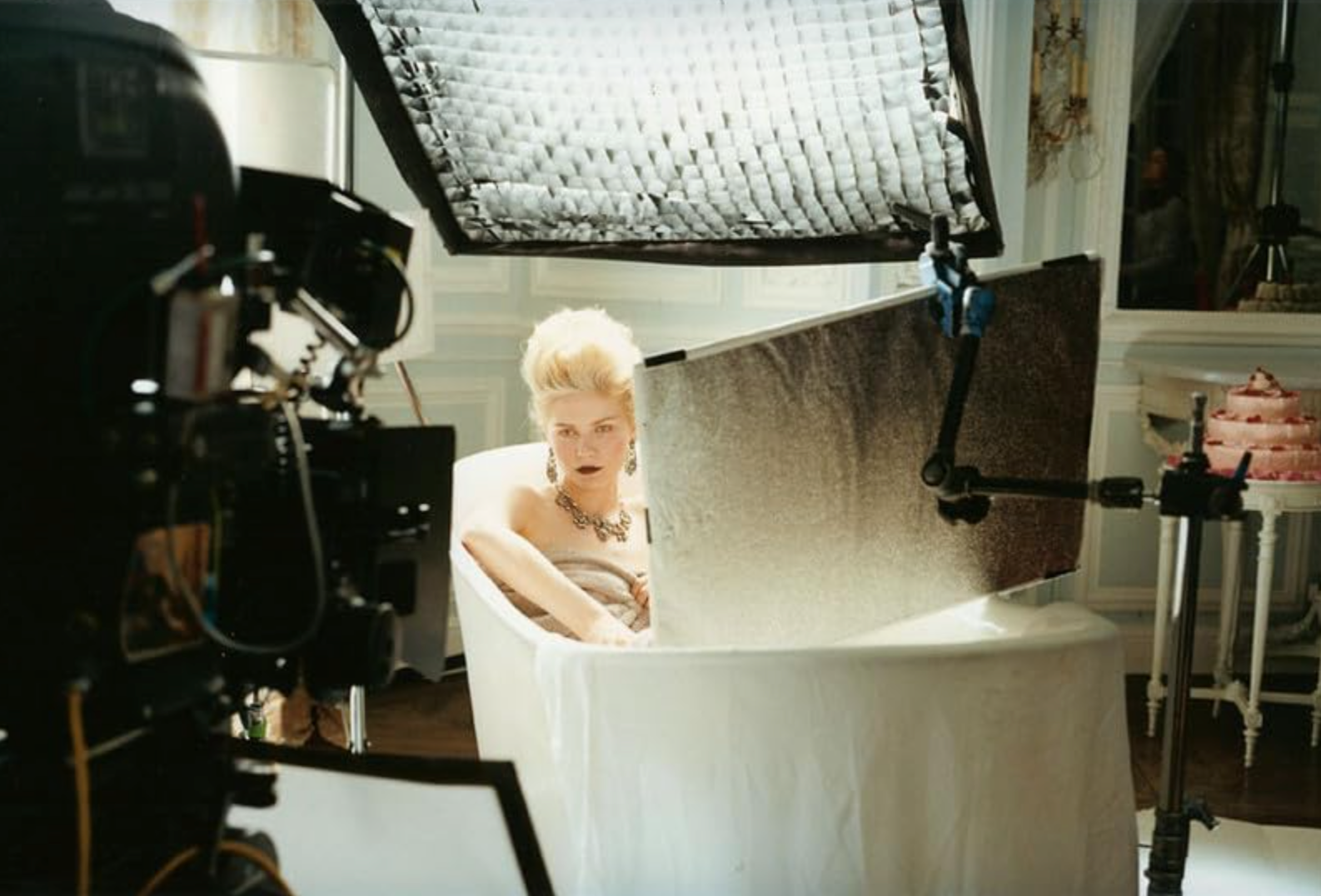
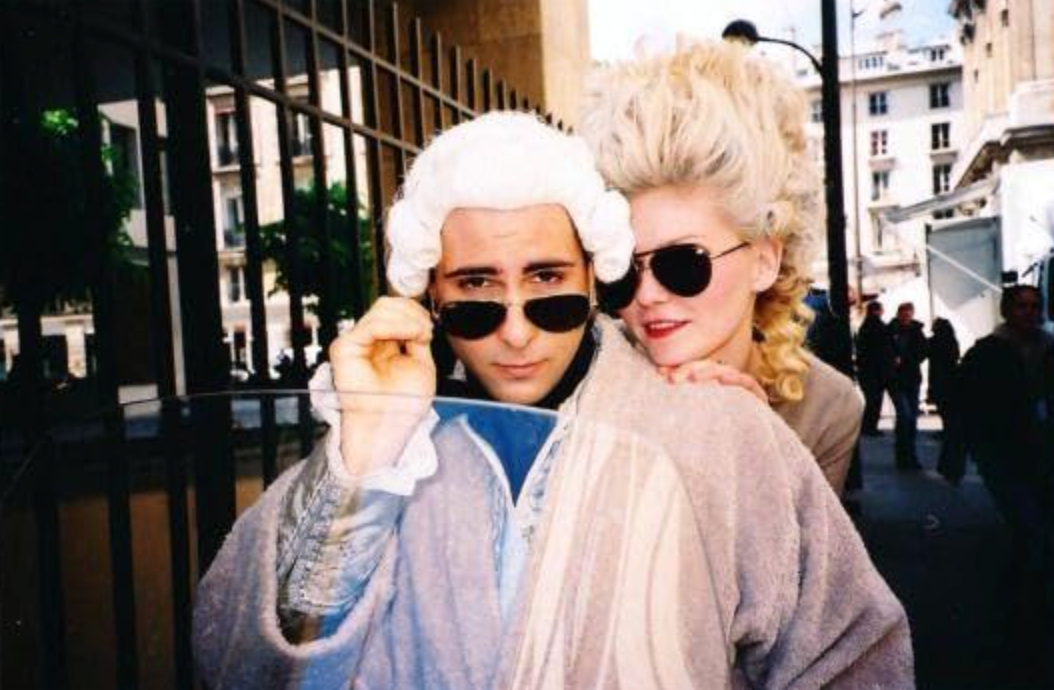
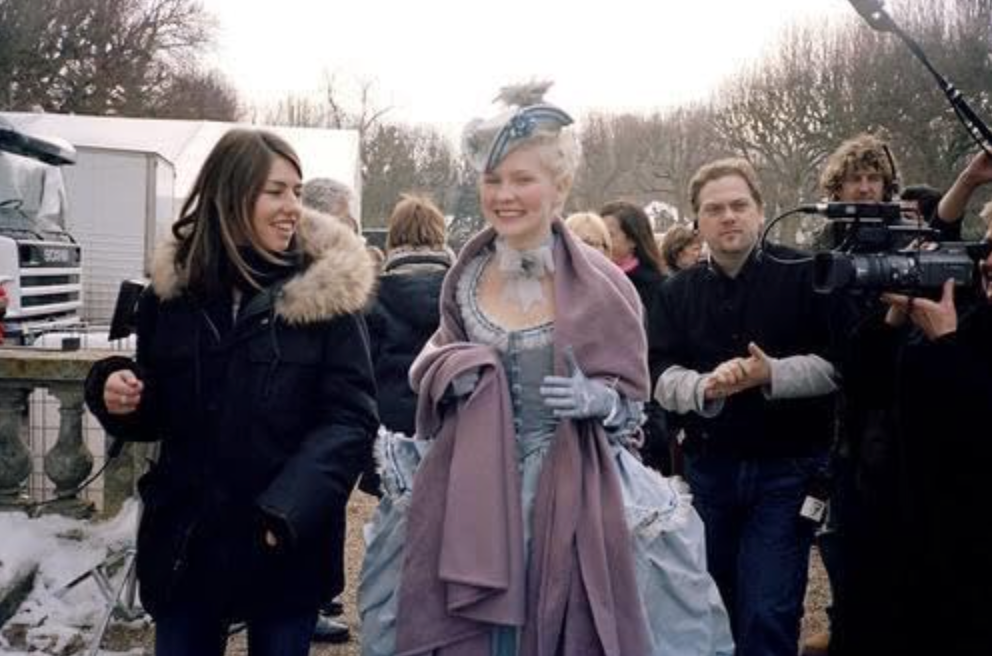
There are also recurring motifs throughout the film that deepen its meaning. Food is constantly present, but it functions more as decoration than nourishment. Pastries and desserts are styled beautifully, yet they rarely feel satisfying. Rituals play a major role as well. Dressing, eating, and social interactions are all performed under observation, reinforcing the idea that nothing is truly private. Silence and boredom are just as important as the moments of indulgence. Long pauses and a lack of meaningful connection run beneath the surface of all the visual richness. Escapism becomes the only coping mechanism, whether through parties, gambling, or fashion.
Madame Du Barry’s Scarlet Letter
One of the most interesting aspects of Marie Antoinette, especially when revisited today, is how the dynamic between Marie Antoinette and Madame du Barry has subtly but significantly shifted in meaning over time. This was screaming at me the whole time when I rewatched it yesterday, and I absolutely did not notice it the first time I watched it (or the second, or third, I actually had the DVD).
When the film was released, this tension largely read as part of the rigid social structure of Versailles. Madame du Barry, played by Asia Argento, was positioned as a socially controversial figure whose presence disrupted court expectations. The discomfort surrounding her was understood within that framework, as a reflection of class boundaries, etiquette, and the moral codes imposed on women at the time.
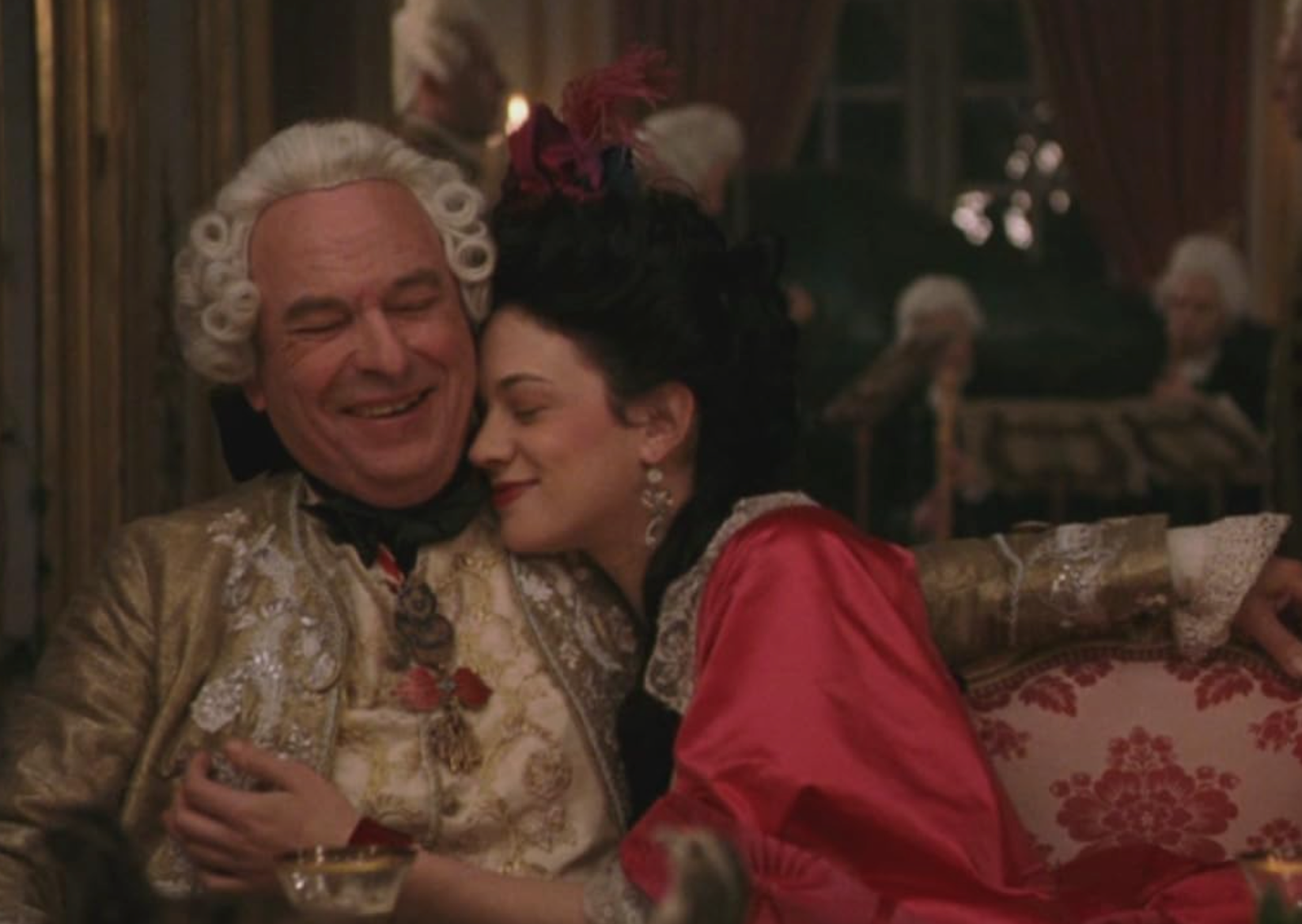
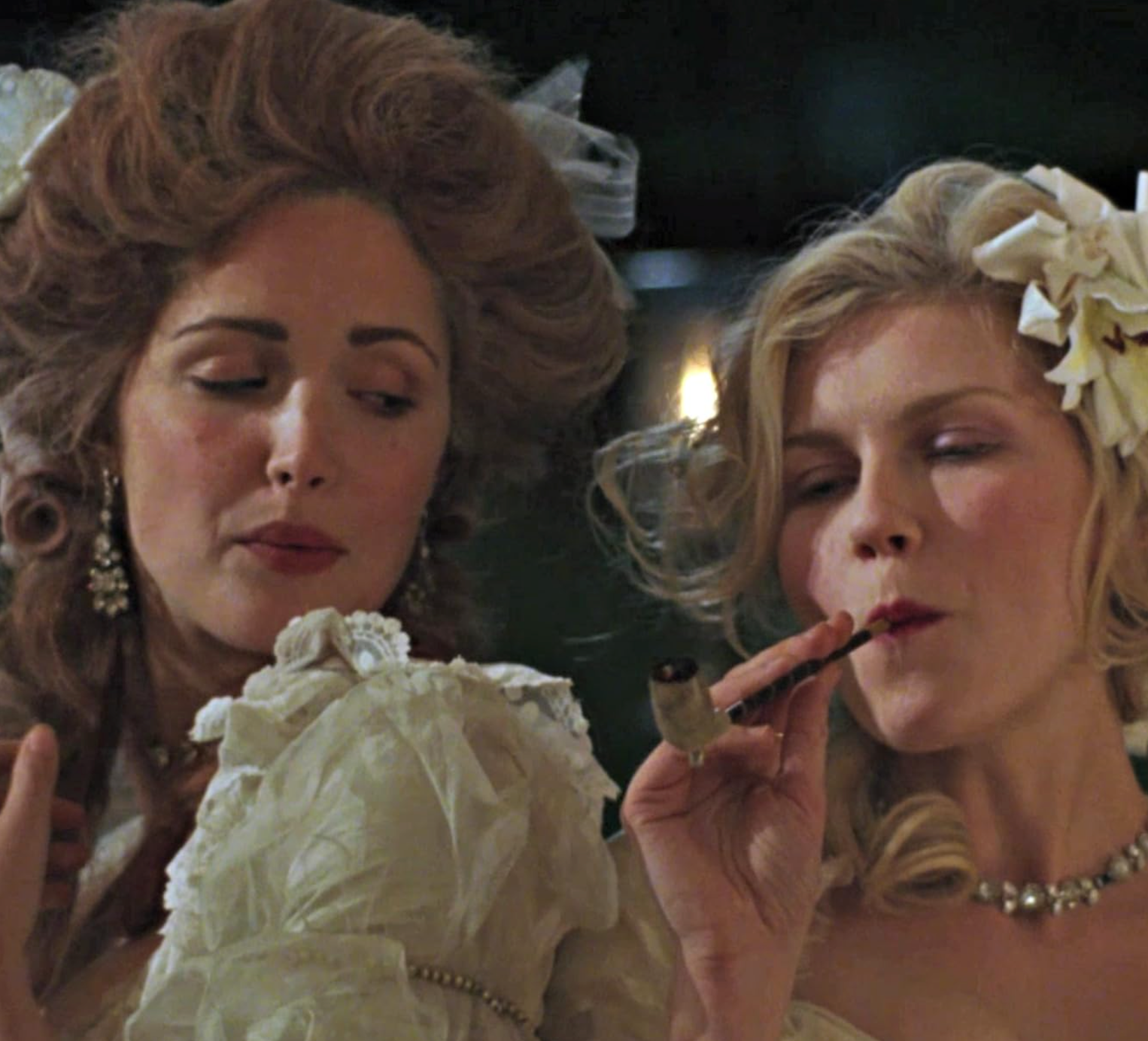
Watched through a contemporary lens, however, the same dynamic can feel much sharper. The visual contrast, especially her darker, more saturated palette against Marie Antoinette’s pastel world, combined with the social exclusion she faces, can evoke a kind of moral coding that aligns closely with modern conversations around slut-shaming and internalized misogyny. What may once have read simply as “court tension” can now feel like a system of judgment that unfairly targets female sexuality and difference.
This shift in perception often leads to an unexpected reversal of empathy. Rather than instinctively aligning with Marie Antoinette’s discomfort, many viewers today find themselves sympathizing more with Madame du Barry. She appears composed, self-aware, and, in many ways, more emotionally grounded than those around her. The hostility directed toward her begins to feel disproportionate, even unjust, which makes the social rituals of rejection more uncomfortable to watch.
Importantly, this does not suggest that Sofia Coppola intended to reinforce that judgment. If anything, the film presents these dynamics with a quiet neutrality that allows their cruelty to surface on its own. The tension reflects a system in which women are placed in opposition to one another, forced to uphold rules they did not create, and judged according to standards that are both rigid and arbitrary.
If the film were made today, it is likely that these elements would be approached with slight but meaningful adjustments. The conflict, the judgment, and even the social exclusion would still be present, as they are essential to the world of Versailles. However, Madame du Barry might be given more explicit emotional perspective, allowing the audience to access her interiority more directly. The visual coding could shift away from implying moral contrast and instead lean more clearly into distinctions of experience, age, and social awareness.
These would not be major changes, but they would subtly realign the audience’s understanding. The story would remain the same, yet the framing would more clearly distance itself from any suggestion of moral judgment tied to sexuality.
Ultimately, this evolution in how the dynamic is perceived speaks less about a flaw in the film and more about a broader cultural shift. Marie Antoinette remains consistent in its portrayal of a young woman navigating an oppressive and performative system. What has changed is the lens through which we interpret that system, and the sensitivity we now bring to the ways women are represented within it.
This makes the film even more compelling to revisit. It not only captures a specific emotional reality within its story, but also reveals how meaning itself can evolve over time, shaped by the cultural context of its audience.
The Marie Antoinette Hair
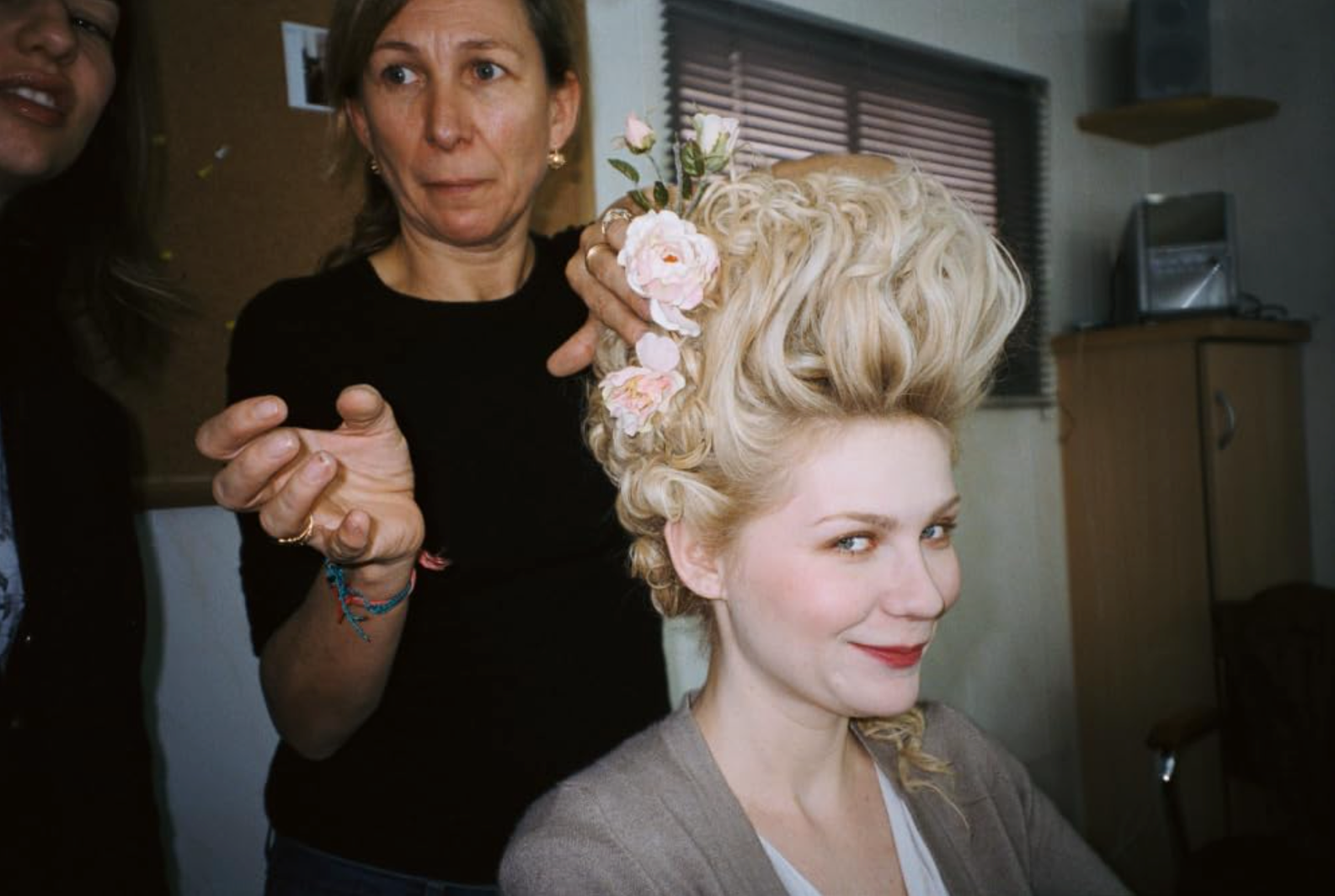
In Marie Antoinette, hair is absolutely part of the visual storytelling system. Coppola is incredibly precise with these kinds of details, especially when it comes to femininity, performance, and identity. It tracks very clearly with how the film builds Marie Antoinette’s emotional arc.
Structured hair = performance, control, constructed identity
As her hair becomes more elaborate, architectural, and exaggerated, it aligns with her growing immersion into the role she’s expected to play. The towering wigs, the powder, the almost sculptural quality of it all are not just about fashion. They signal that she is fully inside the system.
At that point, she’s not just participating in Versailles culture, she’s performing it at its highest level. The scale of the hair reflects a kind of external “power,” but it’s a very specific kind. It’s not real autonomy, it’s mastery of appearance. There’s a scene when the her wig is so big it literally almost collapses, and is especially telling, in my opinion. It hints at how fragile that constructed identity actually is, even at its peak.
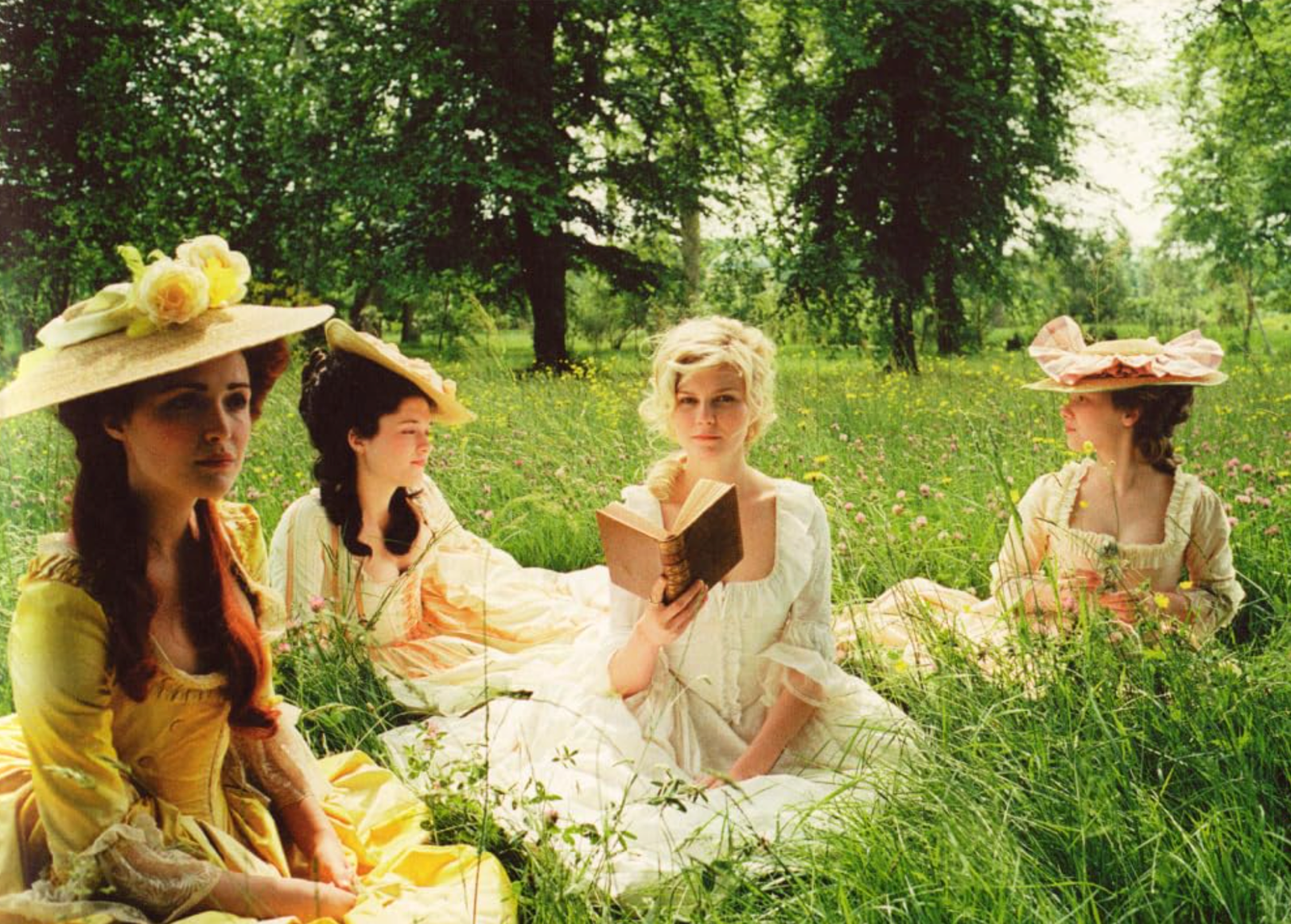
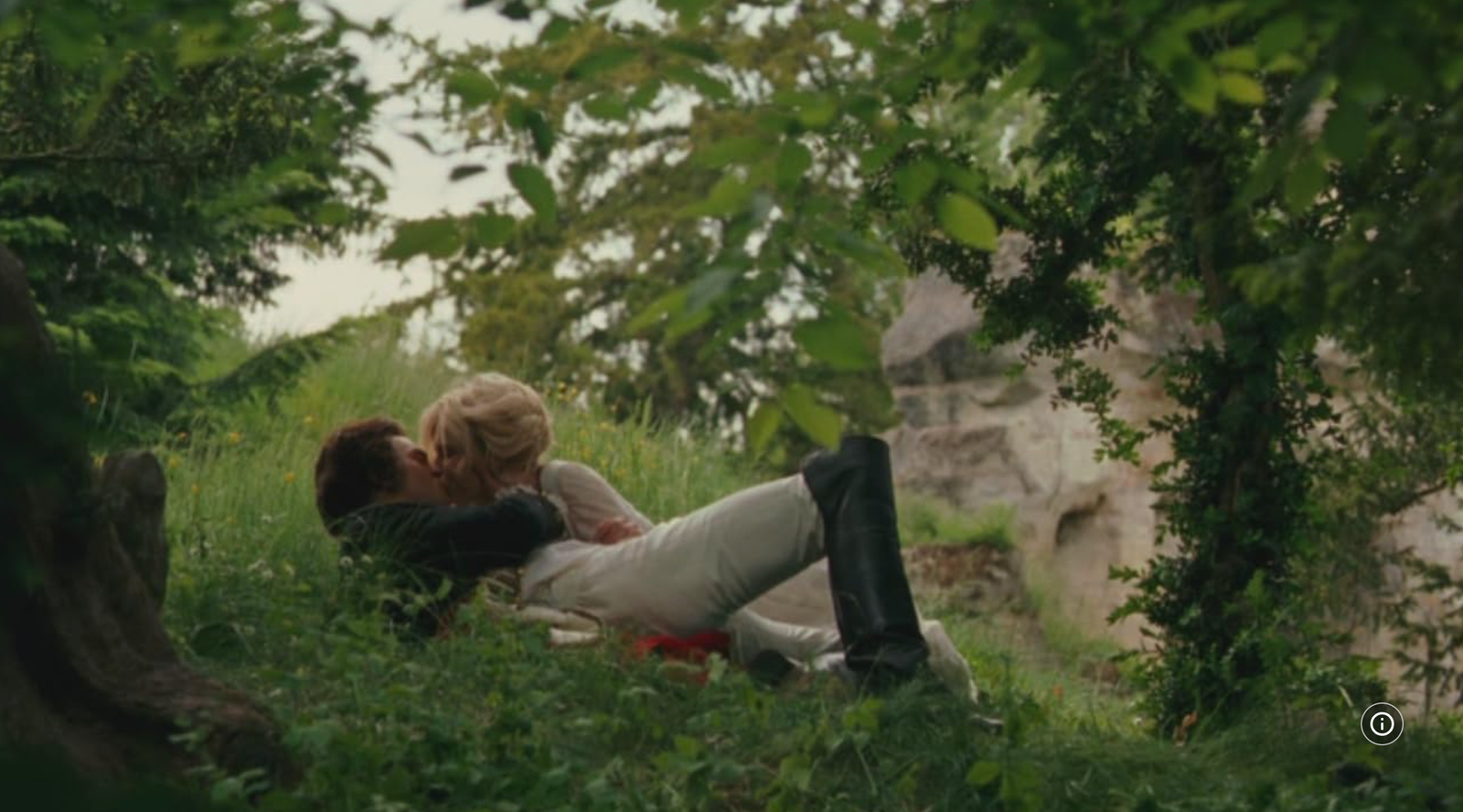
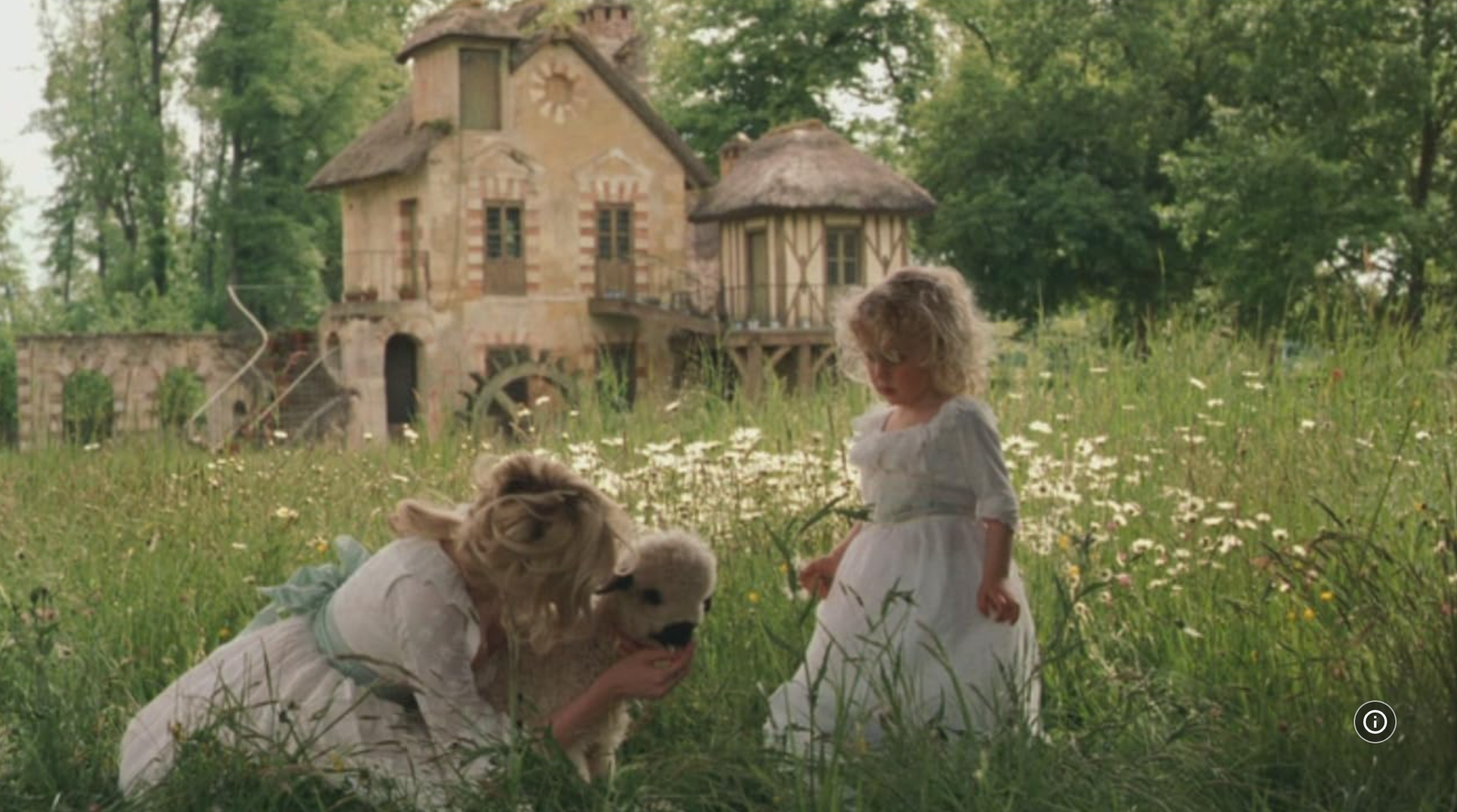
Loose hair = intimacy, authenticity, fleeting freedom
In the more relaxed moments, when she’s in the gardens, with her child, or simply enjoying herself, her hair softens. It moves, it breathes, it feels less controlled. These scenes are some of the only ones where she appears genuinely present.
The shift isn’t just aesthetic, it’s emotional. The less constructed the hair, the less constructed she is. These are the rare moments where she steps outside the performance and reconnects with something more instinctive and personal.
Messy hair = vulnerability, collapse, inner reality
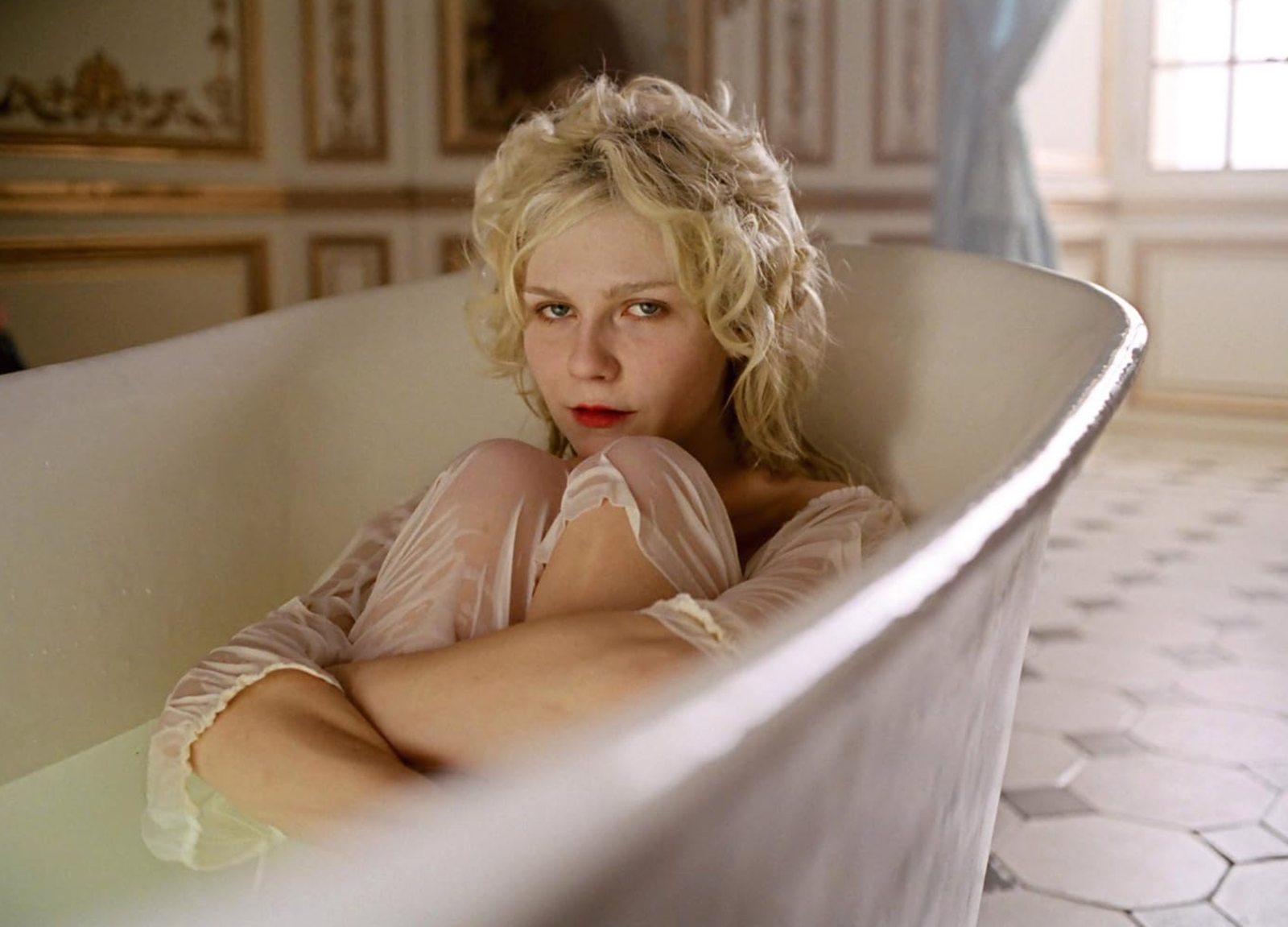
The bathtub scenes are a completely different register. The hair loses all structure. It’s flat, undone, almost stripped of identity. These are the moments where the illusion drops entirely.
There’s no audience, no ceremony, no spectacle. Just her, physically and emotionally exposed. The messiness doesn’t read as casual or relaxed, it reads as heavy. It reflects exhaustion, confusion, and a kind of emotional weight that can’t be styled away.
—
Watching the film now, it makes sense why it resonates more deeply. At first, it’s easy to approach it expecting a traditional narrative with clear structure and explanation. But once you shift your perspective and start engaging with it as a piece of visual and emotional storytelling, everything clicks into place. It’s a film that rewards sensitivity to mood, detail, and intention.
Marie Antoinette ultimately feels less like a historical drama and more like a masterclass in art direction and emotional branding. It doesn’t try to convince or explain. It creates an atmosphere and lets you sit inside it. And that’s exactly why it has aged so well and we’re all still crazy for the Marie Antoinette aesthetic.
Love,
Lucy ♡₊˚