When Euphoria premiered on HBO in 2019, it landed like a visual shockwave.
From the first episode, it was clear the show was operating on a different frequency. Everything looked heightened, intimate, glossy, and raw all at once. Euphoria turned emotion into atmosphere and transformed teenage interior worlds into fully realized visual landscapes.
It is one of the rare shows where aesthetics are not decoration but storytelling itself.
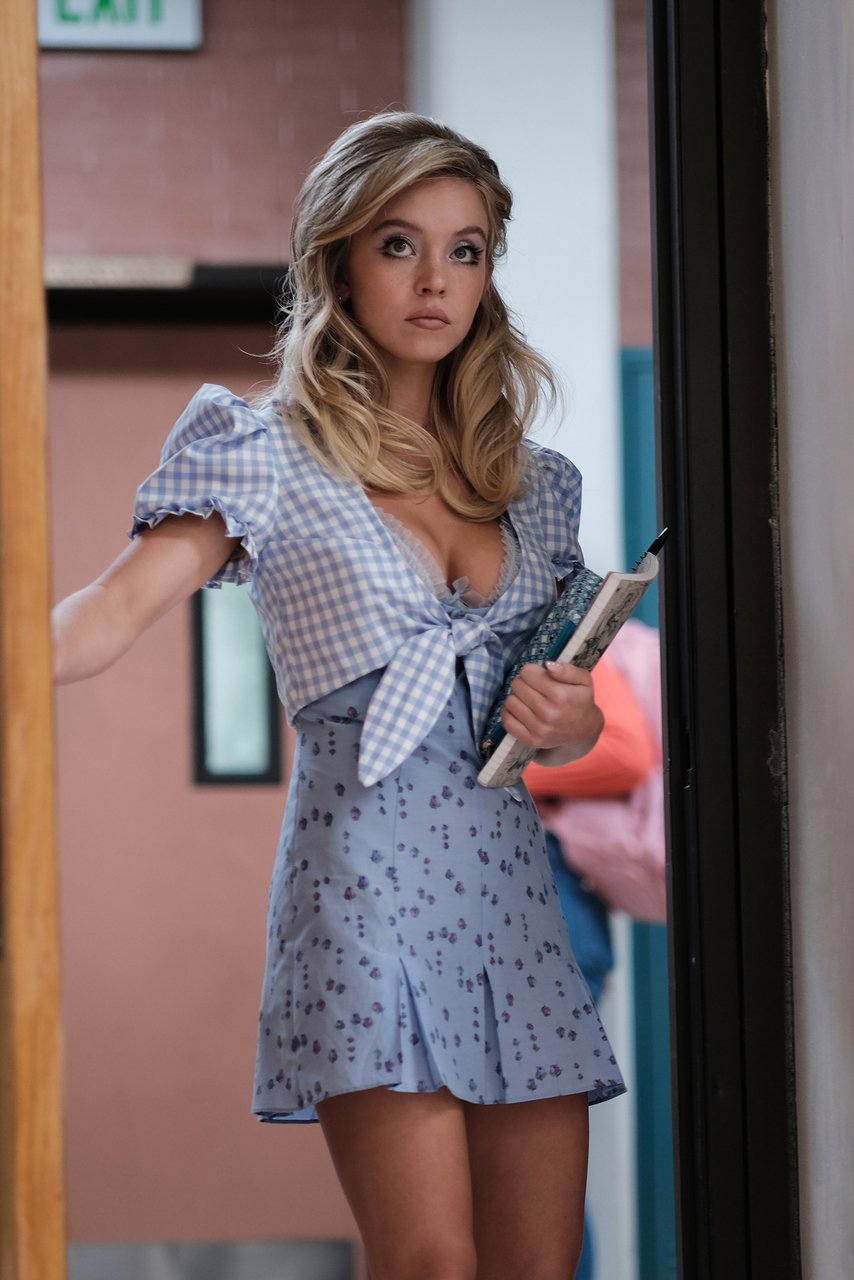
Created by Sam Levinson, Euphoria is loosely inspired by an Israeli series of the same name, but its identity is entirely its own. The show follows Rue Bennett, played by Zendaya, and a circle of teenagers navigating addiction, desire, identity, trauma, and intimacy. What made the series instantly iconic was not only its subject matter, but how those themes were translated visually. Every color choice, camera movement, lighting cue, and styling decision feels emotionally motivated rather than purely realistic.
A Show Designed to Be Felt
Euphoria’s visual language is deeply subjective.
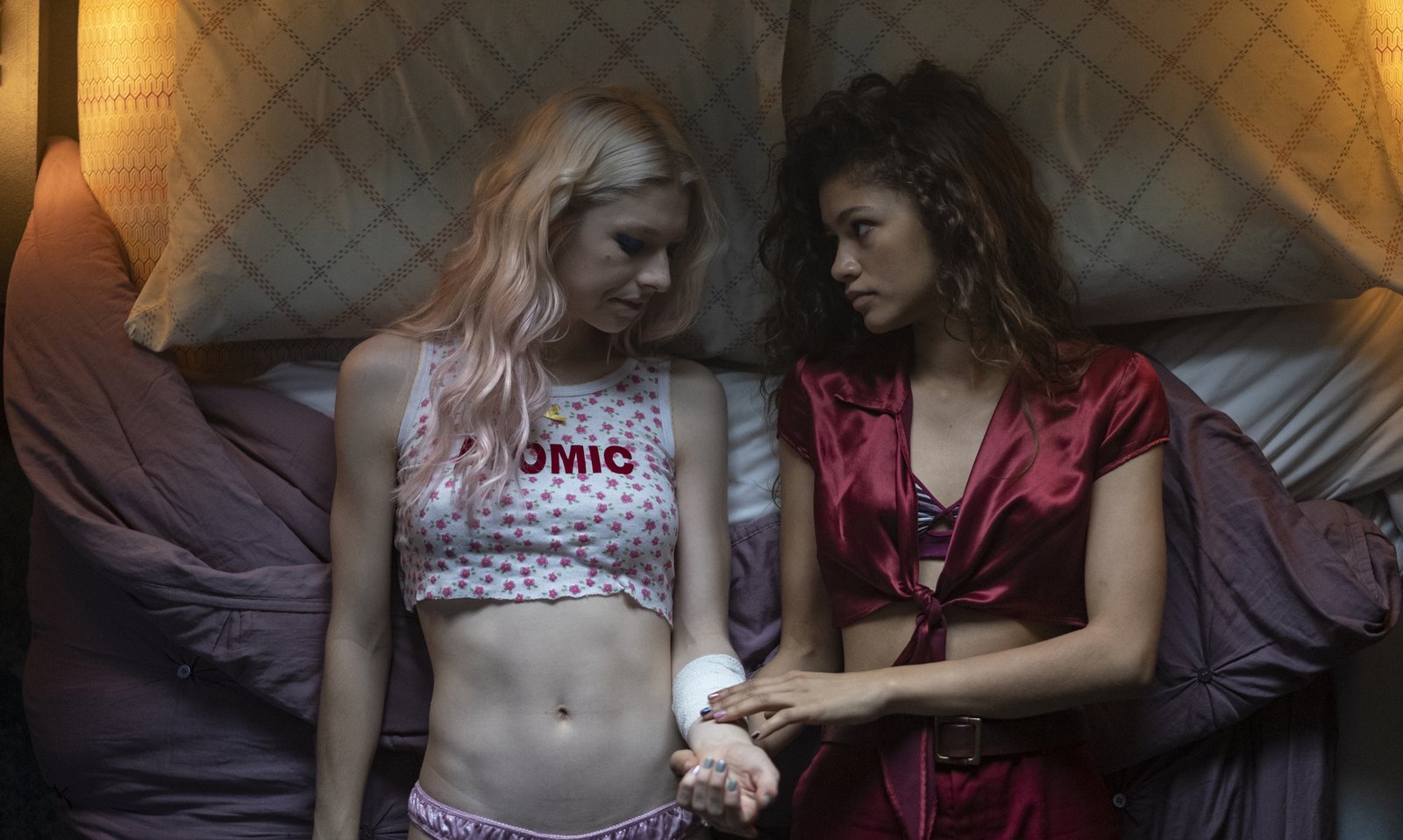
The camera often mirrors the mental state of the characters, especially Rue. Dreamlike tracking shots, slow-motion sequences, distorted lenses, and abrupt shifts between realism and fantasy create the sensation of being inside someone’s head. This is not accidental. Cinematographer Marcell Rév worked closely with Levinson to build a style where emotion dictates form. When a character feels euphoric, the visuals glow and float. When they spiral, the image tightens, darkens, or becomes overwhelming.
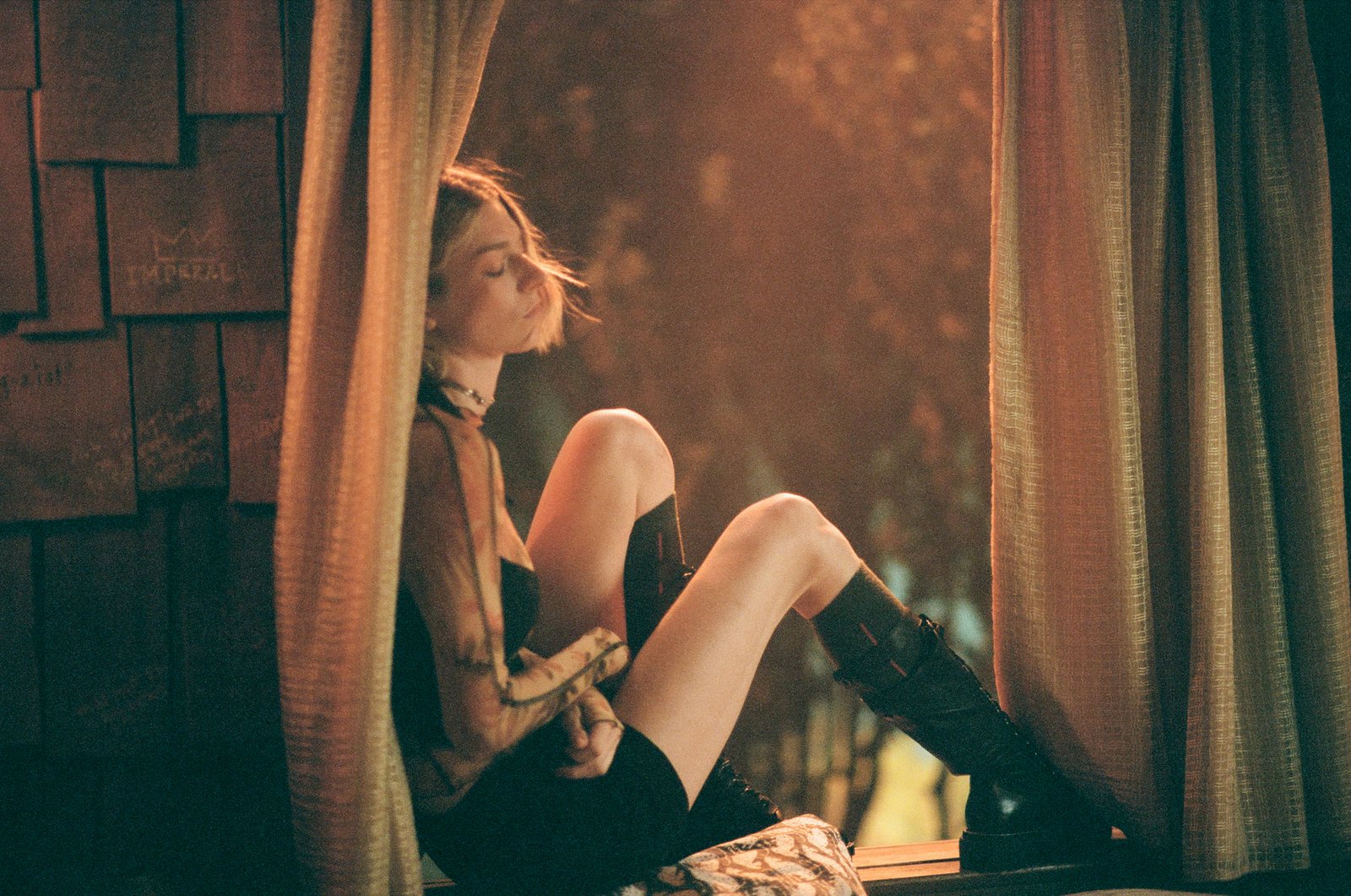
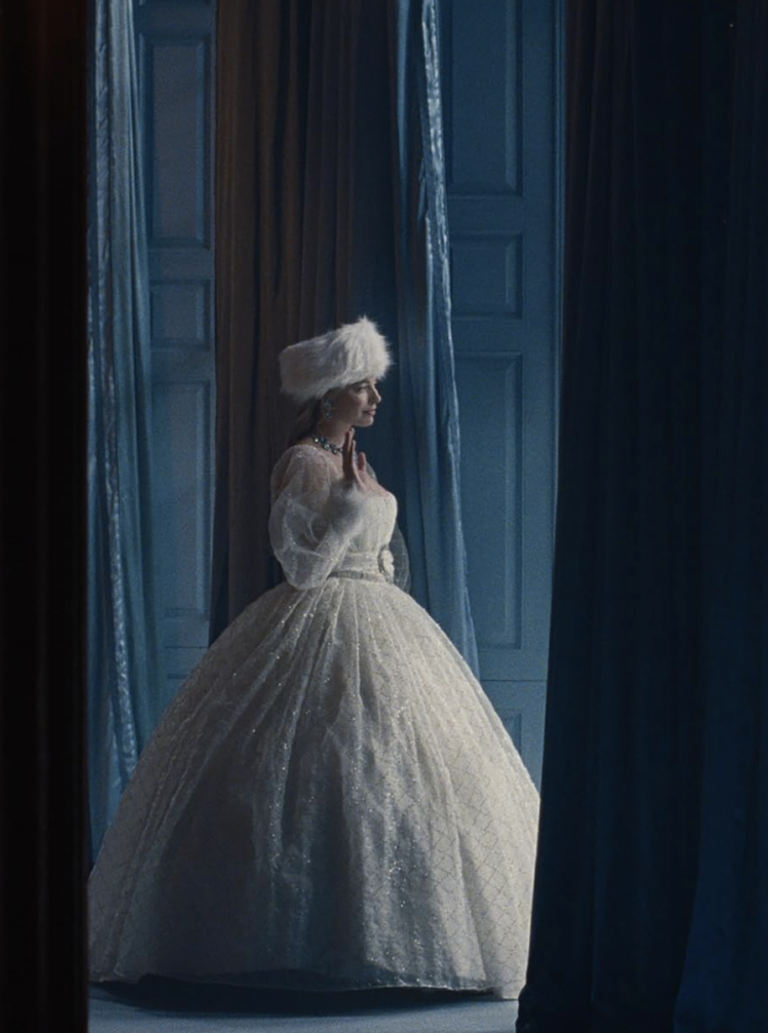
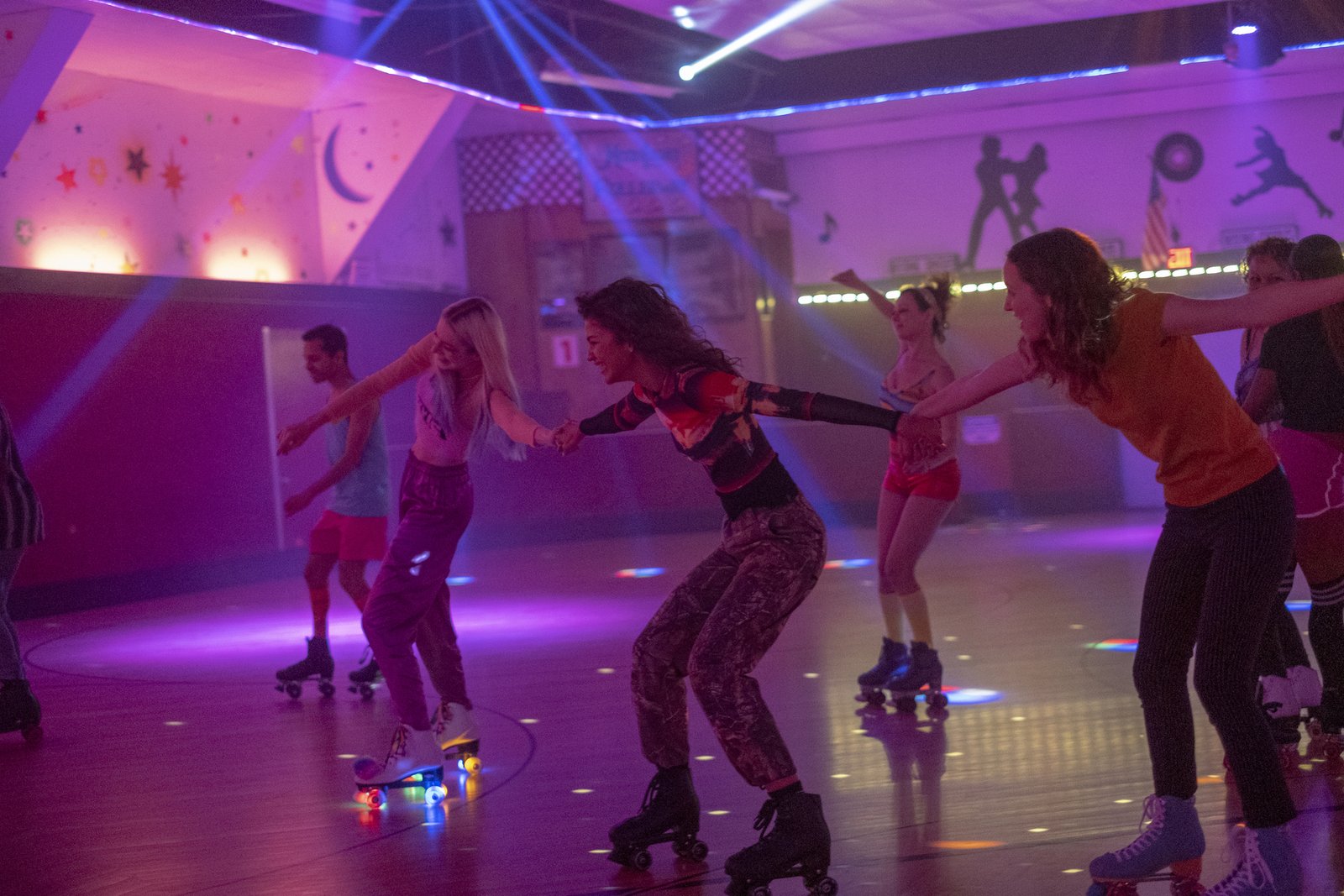
Lighting plays a crucial role here. Neon purples, electric blues, acid greens, and warm ambers dominate the palette. These colors are rarely naturalistic. Instead, they feel like mood rings, signaling longing, danger, intimacy, or emotional overload. Bathrooms glow like nightclubs, bedrooms feel theatrical, and suburban streets pulse with artificial light. The world of Euphoria feels hyperreal, almost synthetic, which perfectly matches its themes of performance, self-construction, and emotional excess.
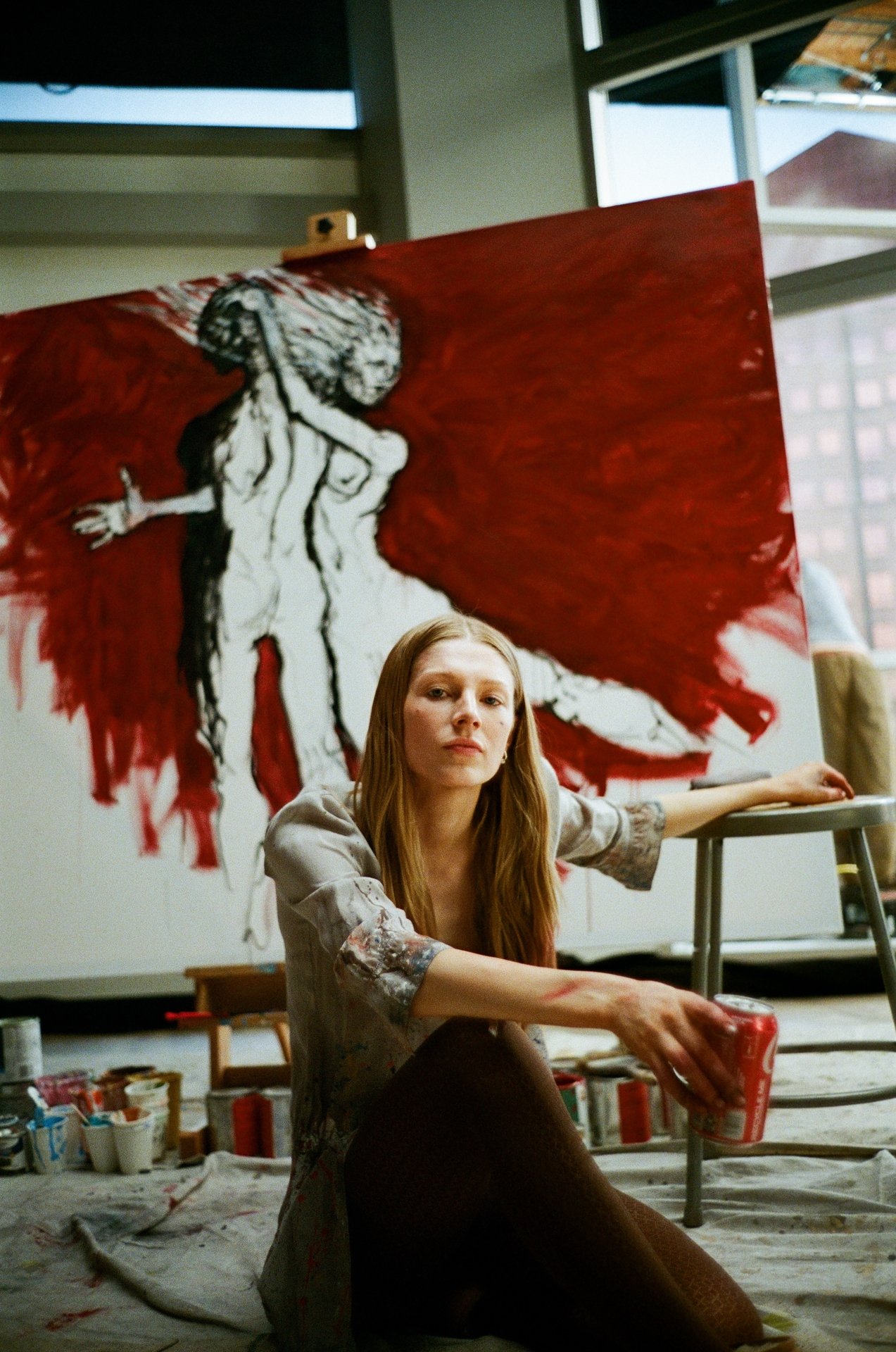
It’s also worth noting that long before Euphoria became a visual reference point, many of the elements we now associate with its aesthetic were already present in the work of Petra Collins, a photographer and filmmaker whose dreamy, intimate imagery circulated widely on Tumblr and social media throughout the early 2010s. Collins has spoken publicly about being approached early in development by Sam Levinson, who reportedly cited her work as an inspiration for the show and invited her to Los Angeles to collaborate during its initial stages.
According to Collins, although her visual language helped shape early conversations around the series, she was ultimately not involved in the final production and did not receive official credit. When Euphoria premiered, the similarities between its look and Collins’ long-established aesthetic were widely noticed, sparking broader conversations about authorship, influence, and how visual ideas move from independent art spaces into mainstream media.
Whether intentional or structural, the situation highlights a recurring dynamic in contemporary culture: aesthetics are often born in personal, experimental spaces, then amplified on a global scale, sometimes without clear acknowledgment of their original sources.
Makeup, Fashion, and the Birth of a New Visual Code
Back in 2019 right after the show was first released, the “Euphoria eyes” and “Euphoria hairstyles” were unescapable. It became clear, very quickly, that one of the most culturally influential aspects of Euphoria would be its approach to makeup and styling.
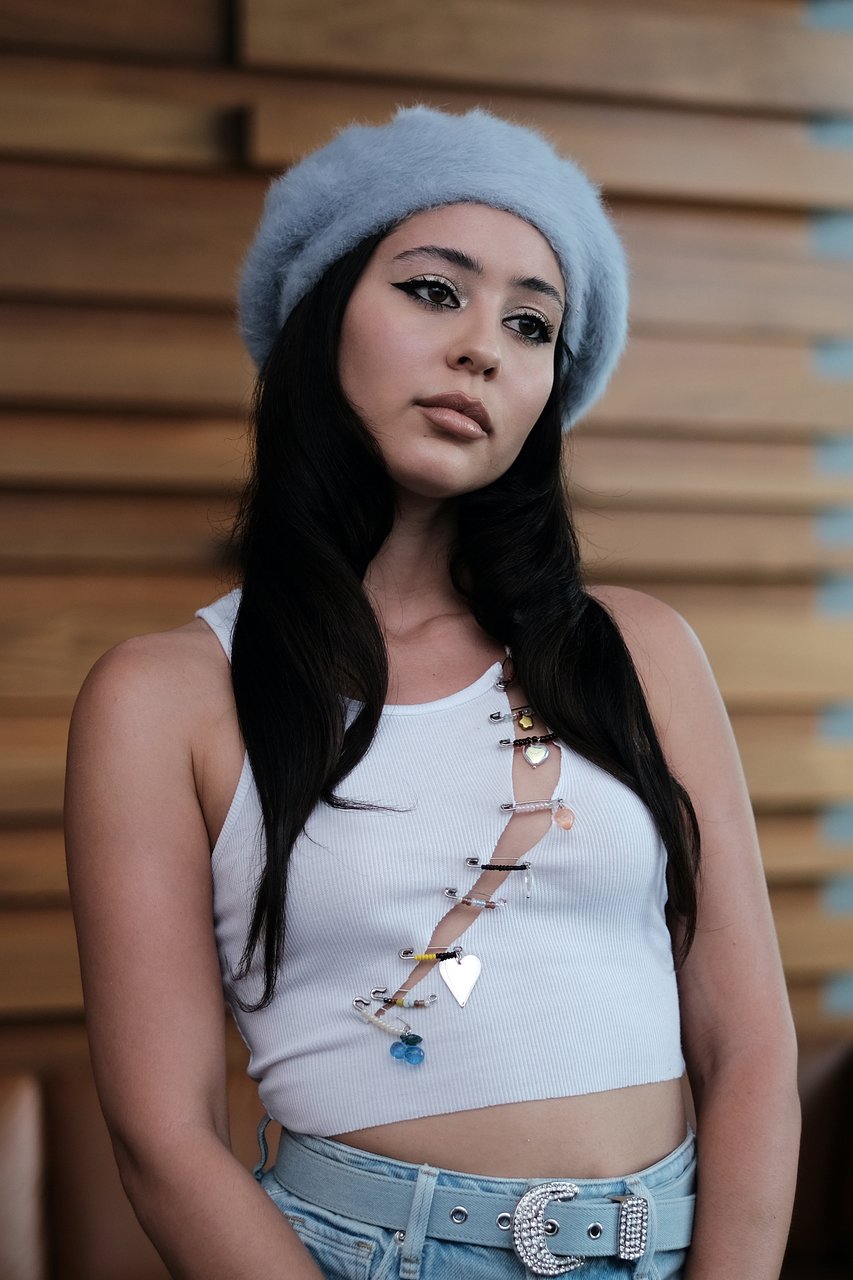
The makeup looks, led by artist Donni Davy, broke almost every rule of traditional beauty storytelling on TV. Glitter tears, rhinestones, bold graphic eyeliner, smeared shadows, and intentionally imperfect application became emotional signifiers rather than beauty statements. Makeup in Euphoria is not about looking pretty. It is about expressing vulnerability, chaos, desire, or confidence in the most direct way possible.
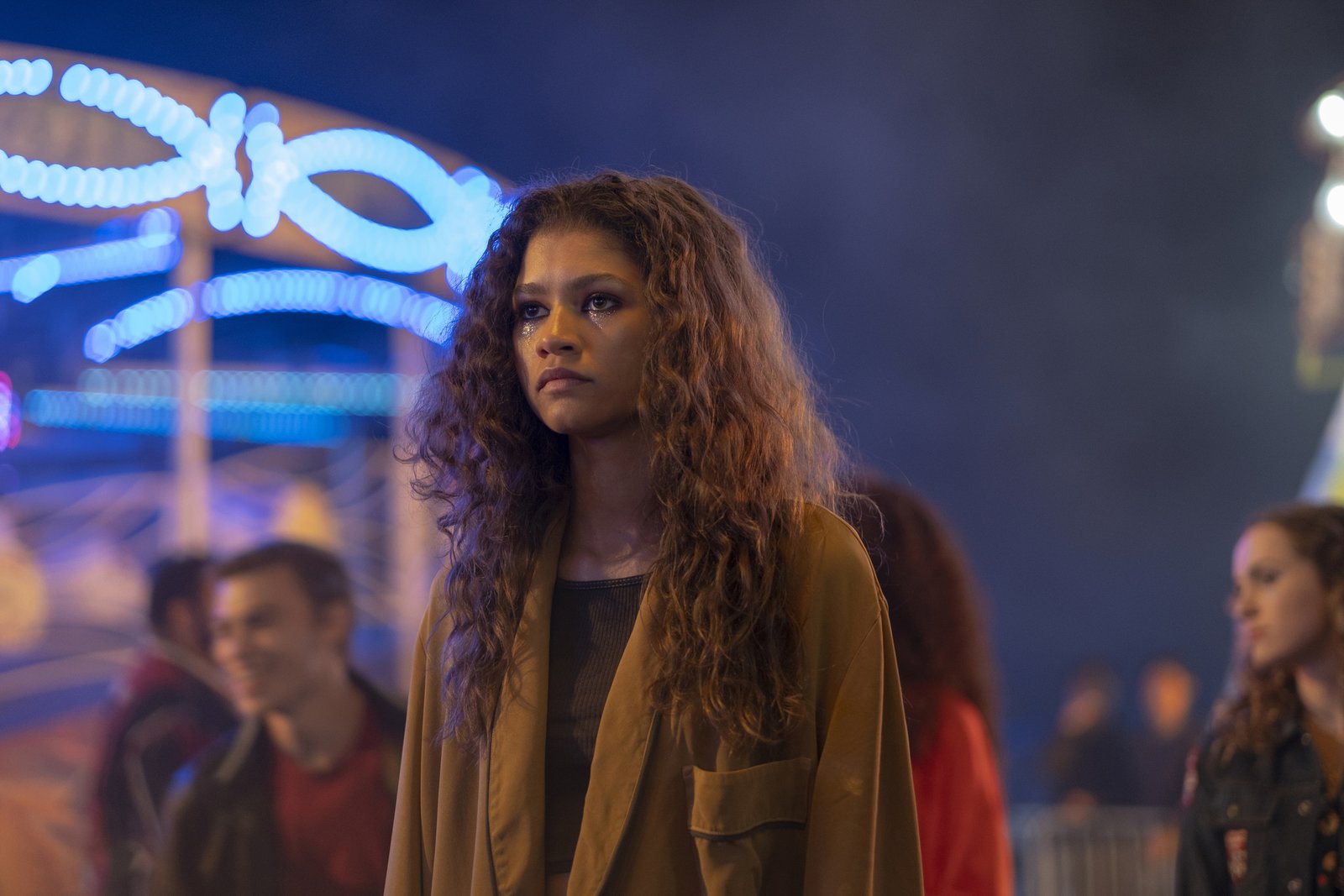
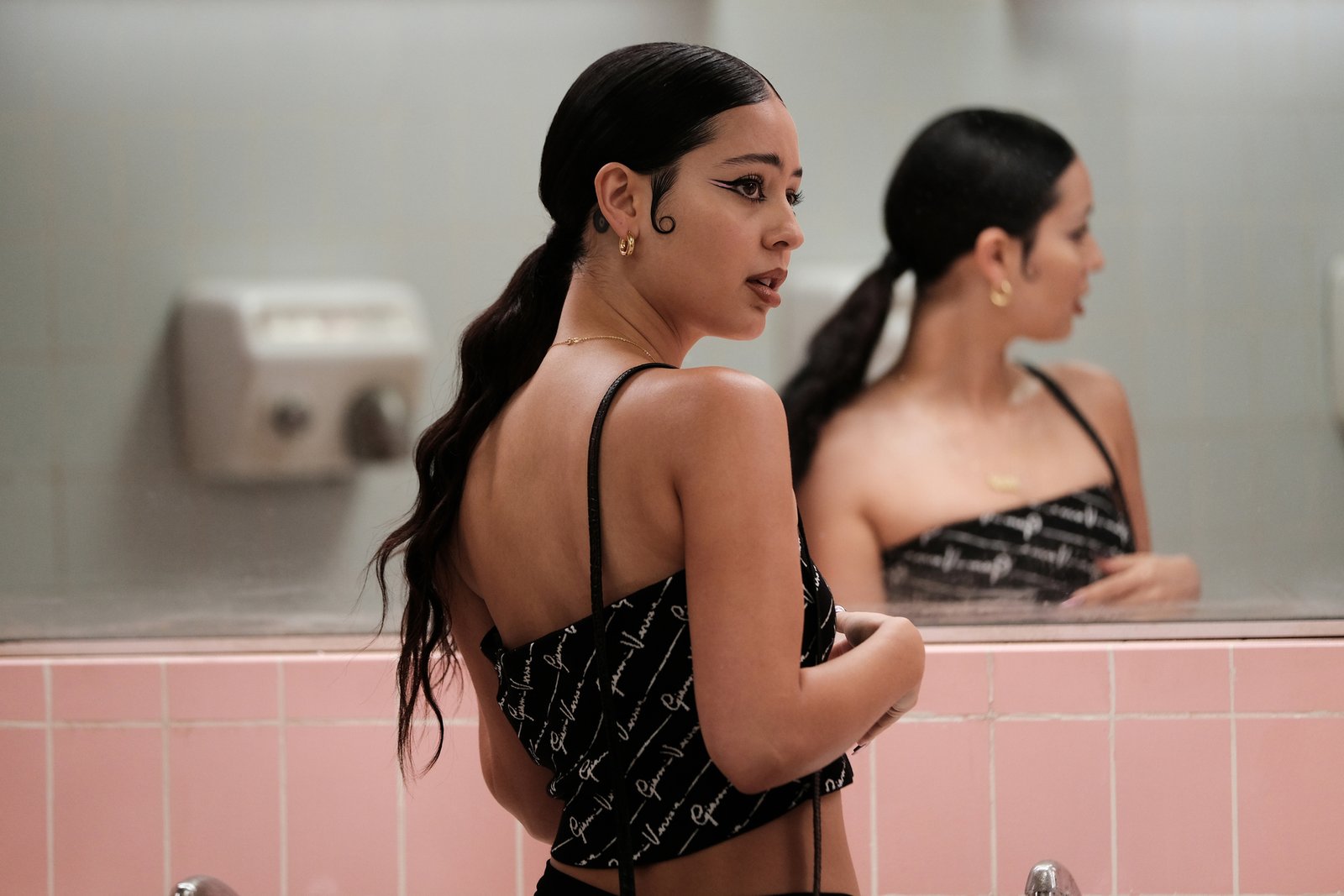
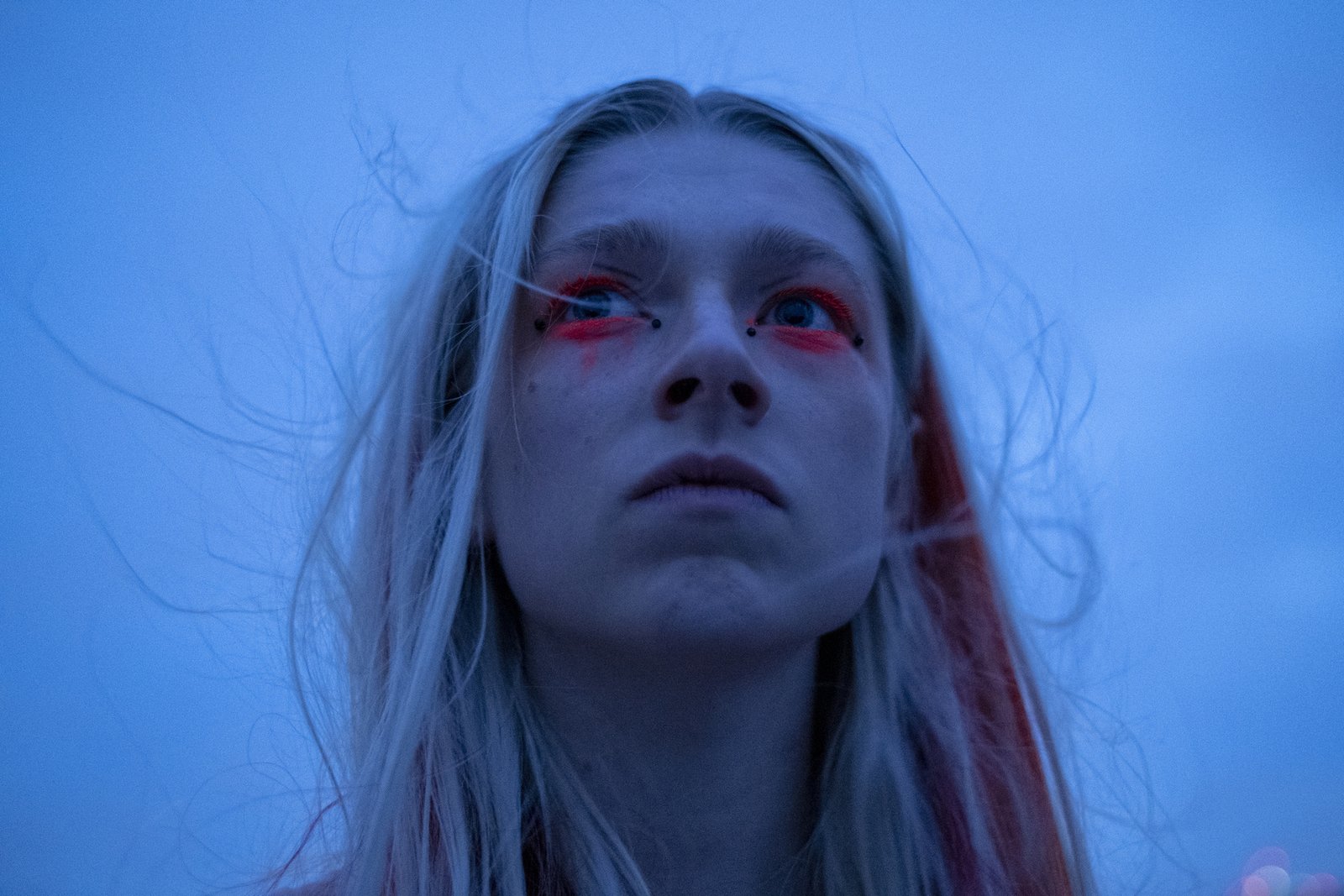
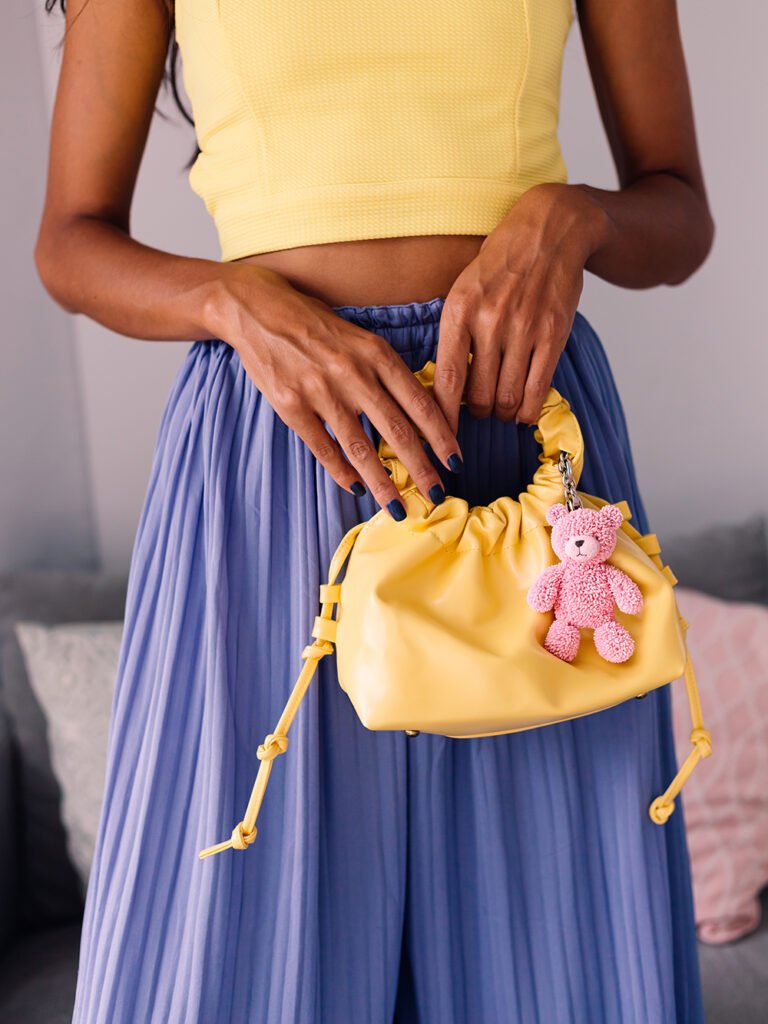
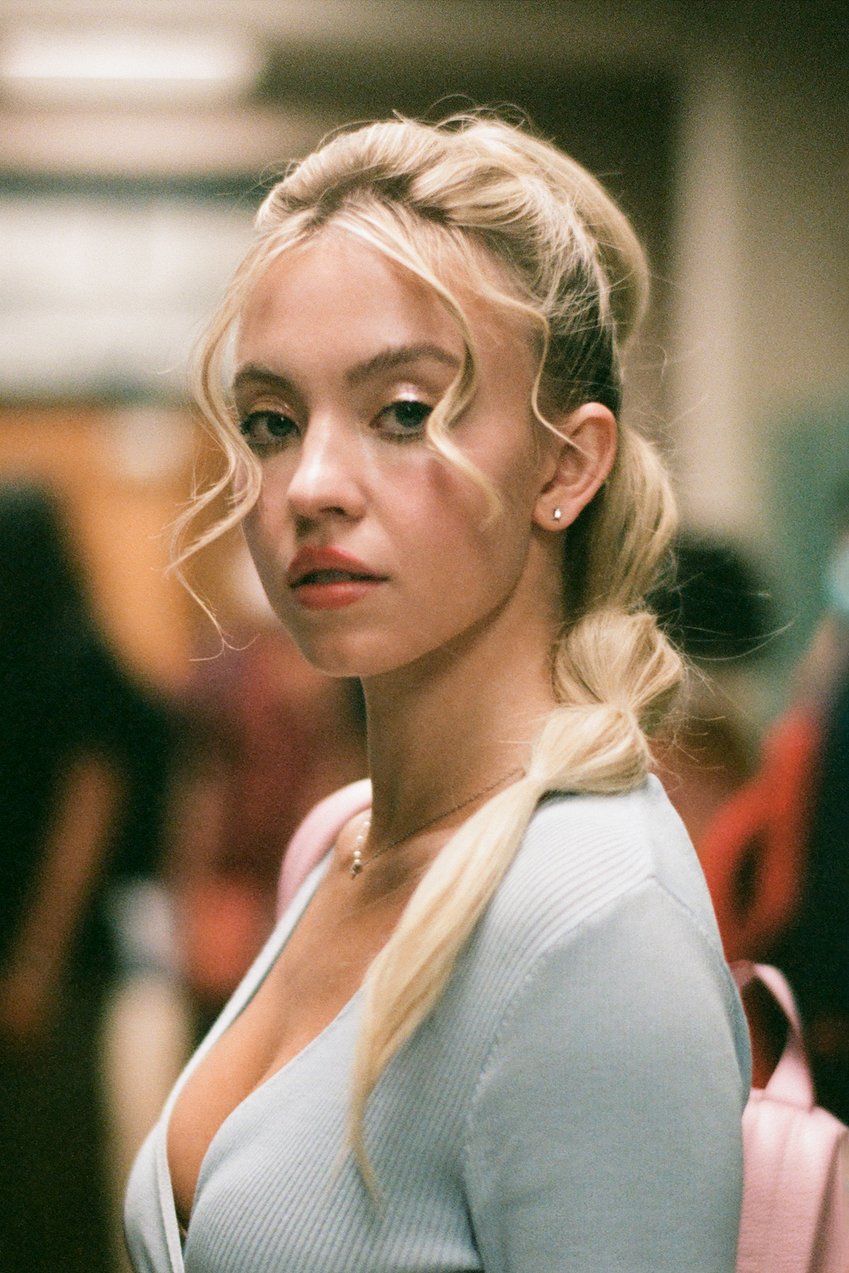
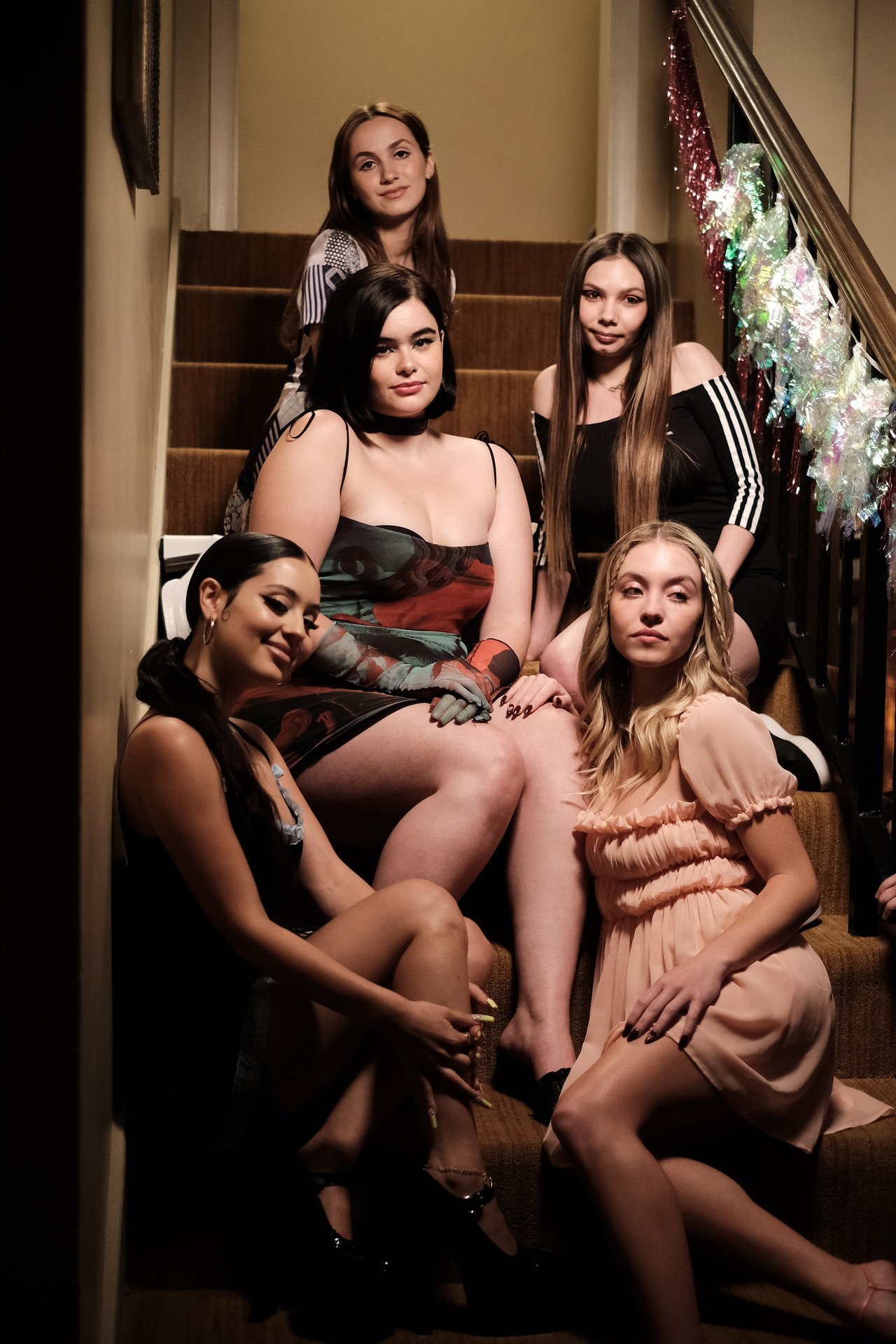
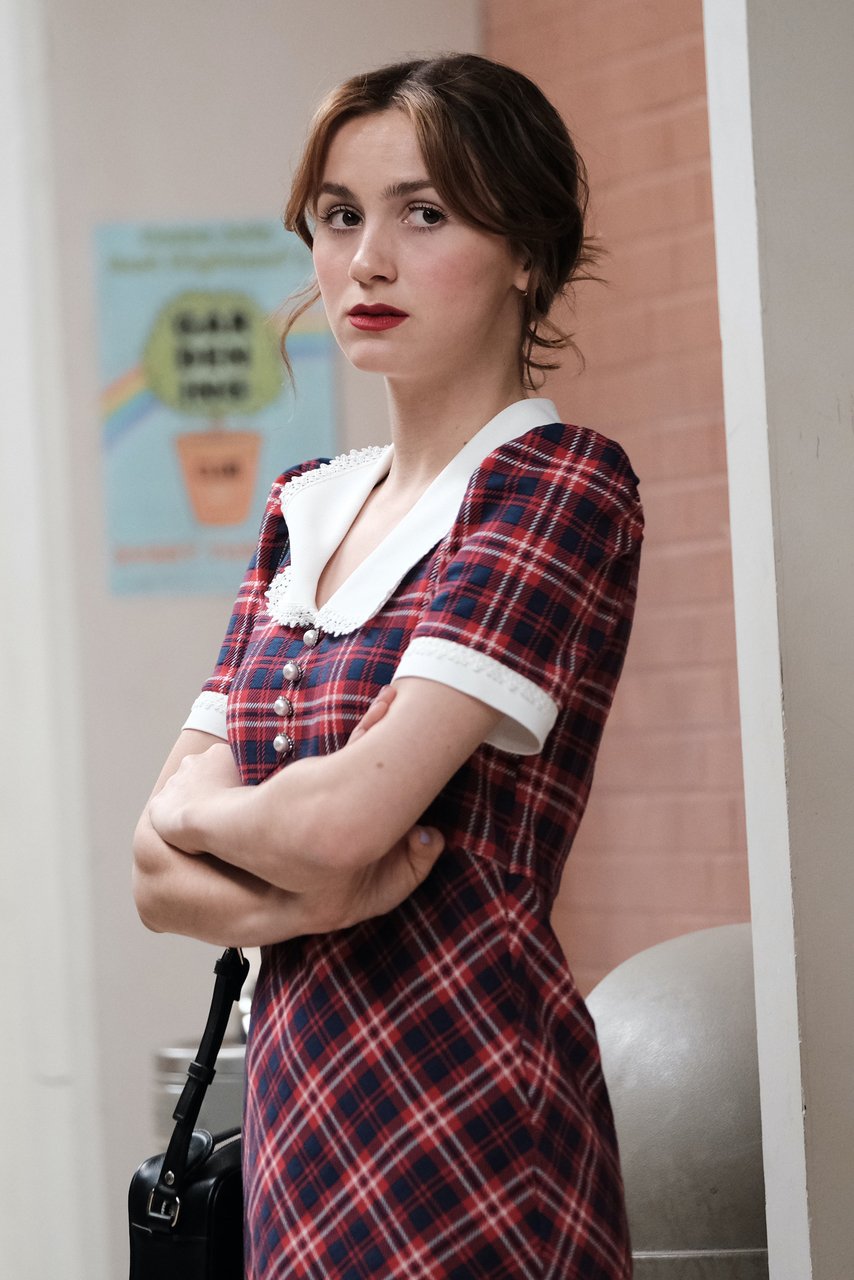
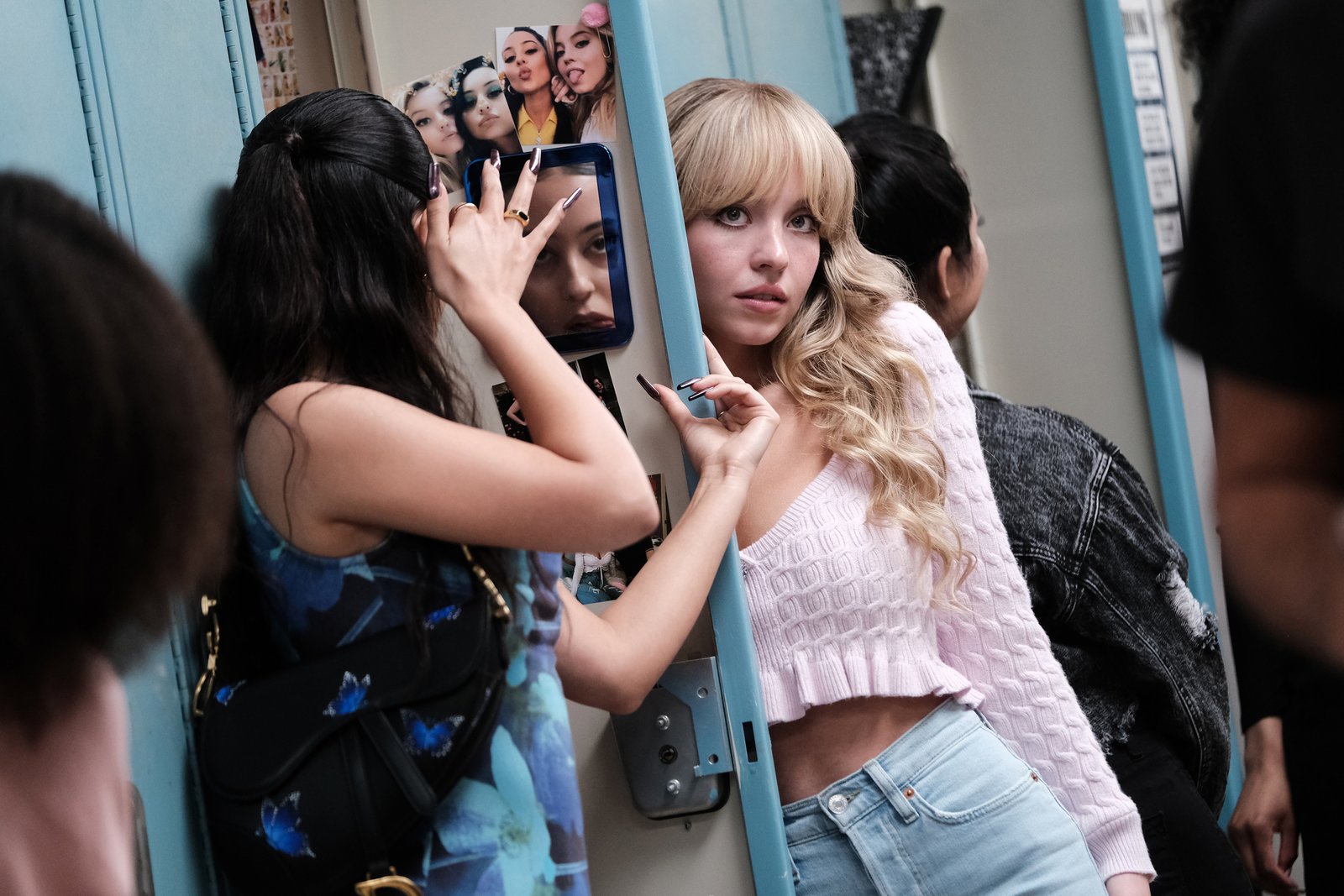
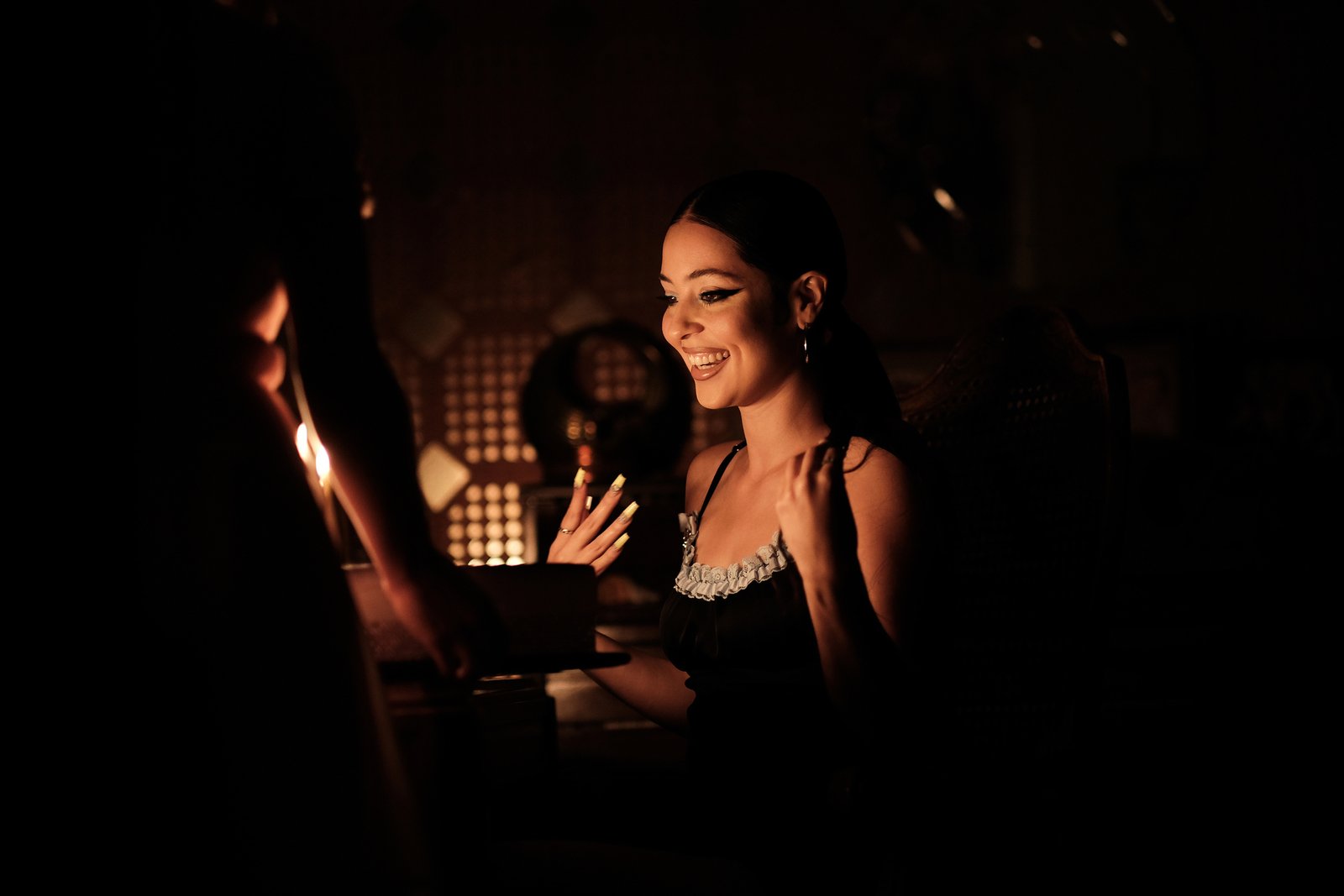
Fashion follows the same logic. The characters’ wardrobes feel intensely personal and psychologically accurate. Jules’ experimental, playful, hyper-feminine looks contrast with Rue’s oversized, muted, almost defensive clothing. Maddy’s sharp, body-conscious outfits communicate control and power, while Cassie’s softer silhouettes and pastel tones reflect fragility and romantic obsession.
Each character has a clear visual identity that evolves with their emotional arc, making clothing part of the narrative structure.
This approach quickly spilled into the real world.
After Euphoria aired, runways, beauty campaigns, and social media aesthetics shifted noticeably. Glitter makeup re-entered mainstream fashion, but with an emotional, edgy twist. Teen and Gen Z style embraced intentional messiness, expressive layering, and nostalgic references filtered through a darker, more self-aware lens.
Euphoria didn’t invent these impulses, but it crystallized them into a visual language people could instantly recognize and replicate.
Cultural Impact Beyond Television
Euphoria arrived at a moment when visual culture was already deeply shaped by Instagram, TikTok, and image-first storytelling. What the show did differently was legitimize emotional excess as an aesthetic choice. It made intensity beautiful and discomfort visually compelling. Its influence can be seen in editorial photography, music videos, branding, and even interior styling, where bold lighting and color have become tools for mood rather than mere decoration.
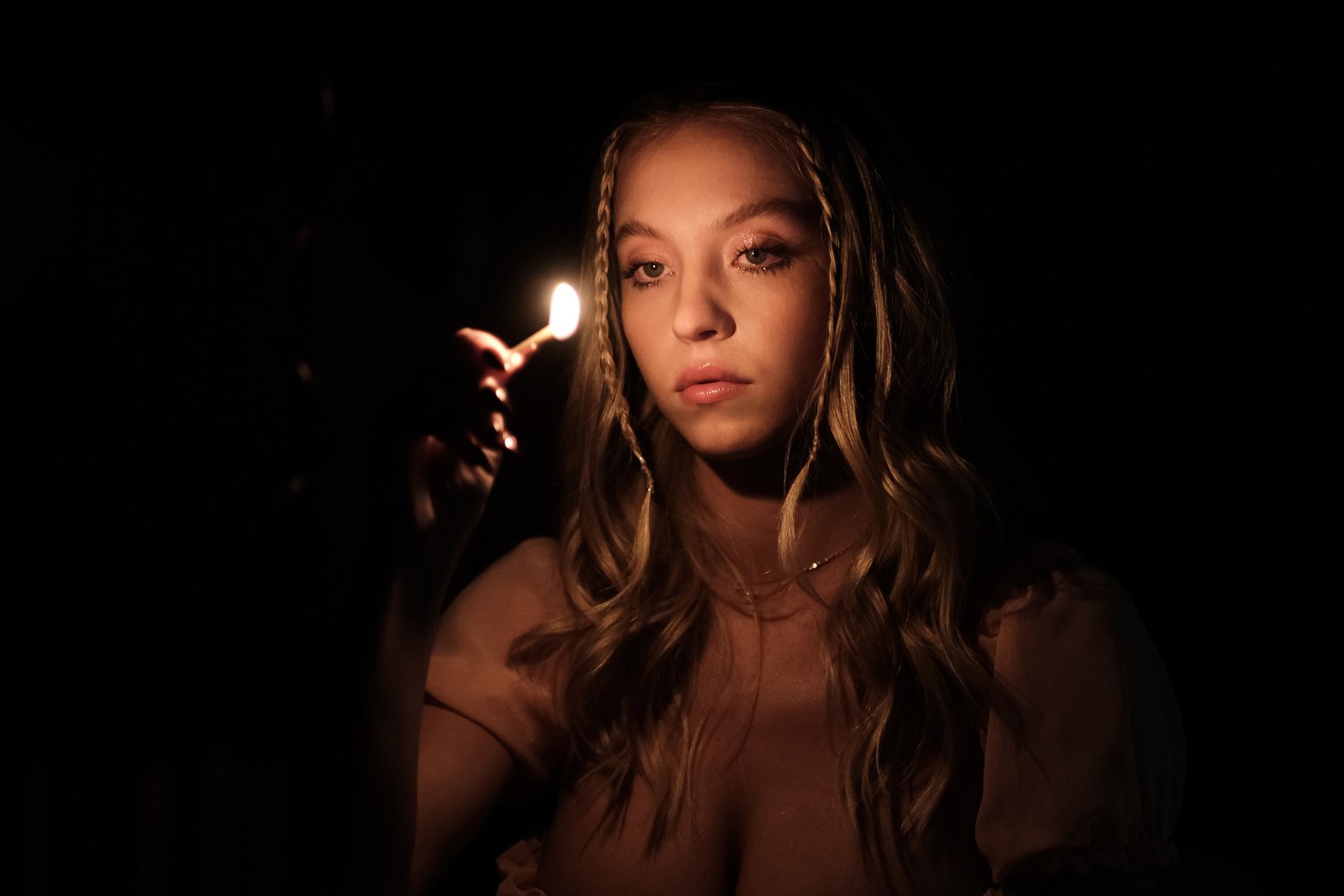
The show also reframed how youth culture is portrayed on screen. Instead of presenting adolescence as aspirational or sanitized, Euphoria leans into contradiction. Beauty exists alongside pain. Glamour coexists with shame. This honesty, paired with such deliberate visual craft, is what gave the series its credibility and lasting impact.
How to Bring the Euphoria Aesthetic Into Your Life
Adopting the Euphoria aesthetic does not mean recreating its darkness or chaos. At its core, this aesthetic is about emotional expression through visuals. You can start small by experimenting with color in intentional ways. Think about lighting as mood rather than function. A soft purple lamp, warm amber bulbs, or colored LEDs can instantly change how a space feels, making it more intimate or reflective.
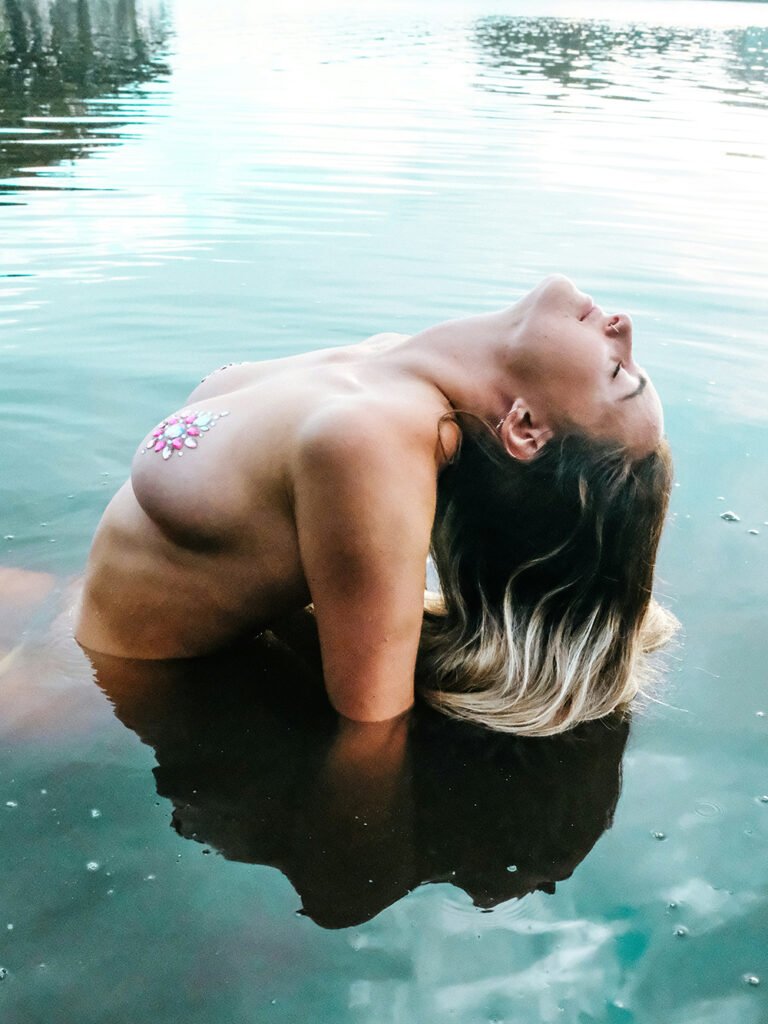
In beauty and fashion, allow imperfection to be part of the look. Try makeup as self-expression instead of correction. A hint of shimmer in unexpected places, blurred eyeliner, or playful accents like gems can feel empowering rather than performative when done for yourself. Clothing can follow the same rule. Choose pieces that reflect how you feel rather than how you think you should look. Oversized silhouettes, nostalgic textures, or bold statement items can coexist beautifully when they are emotionally grounded.
Creatively, the Euphoria mindset is about trusting mood over polish. Whether you are designing, photographing, journaling, or curating your digital spaces, let feeling guide form. If something feels a little too much, it is probably on the right track. Euphoria teaches us that aesthetic power often lives in excess, honesty, and vulnerability.
Why Euphoria Still Matters
Years after its debut, Euphoria remains a reference point because it understands something fundamental about modern visual culture. We do not just want things to look good. We want them to feel true. By merging high-gloss production with raw emotional storytelling, Euphoria created an aesthetic that resonates far beyond television.
It gave people permission to be expressive, contradictory, and visually loud in a world that often asks for polish and restraint.
In that sense, Euphoria became a visual philosophy, one that continues to influence how we see ourselves and how we choose to be seen.
So. Are you ready for season 3?
Love,
Lucy ♡₊˚