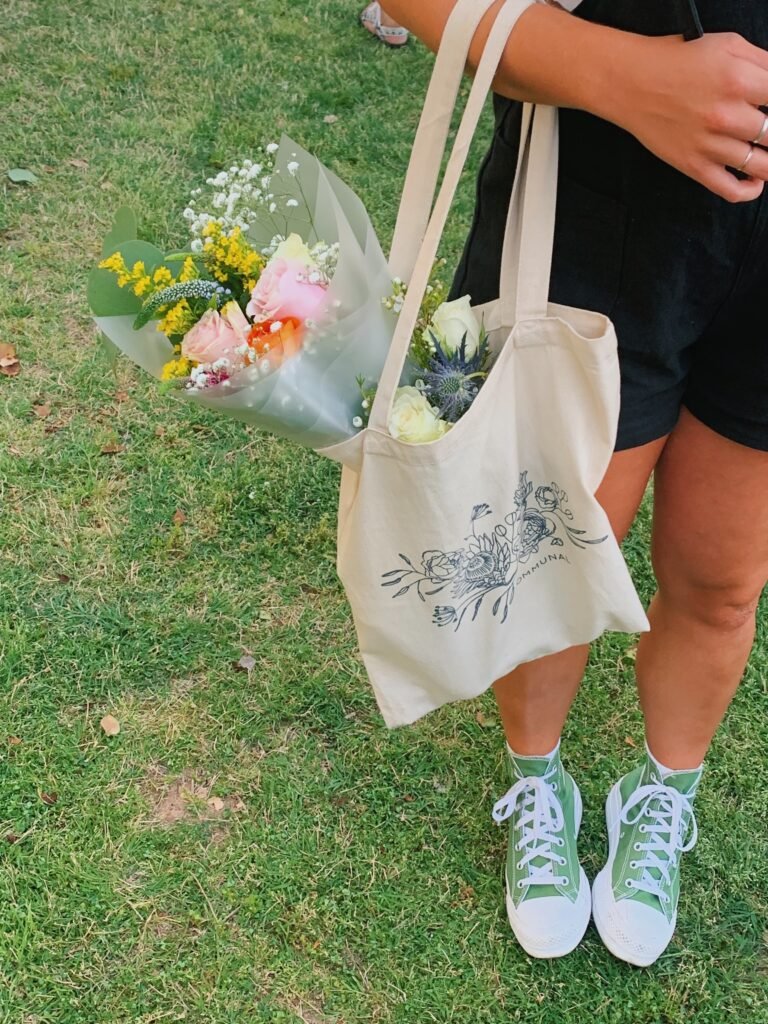
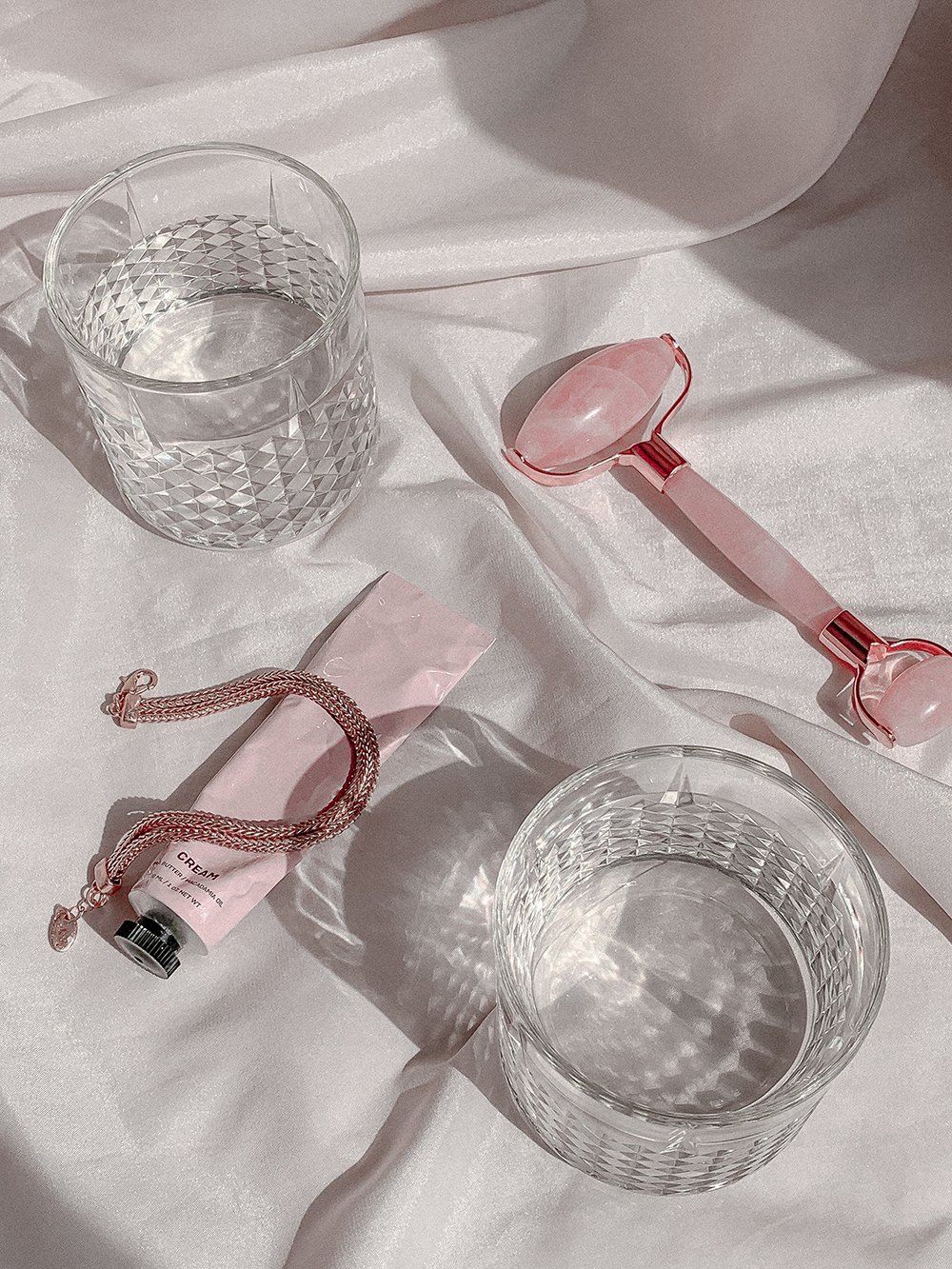
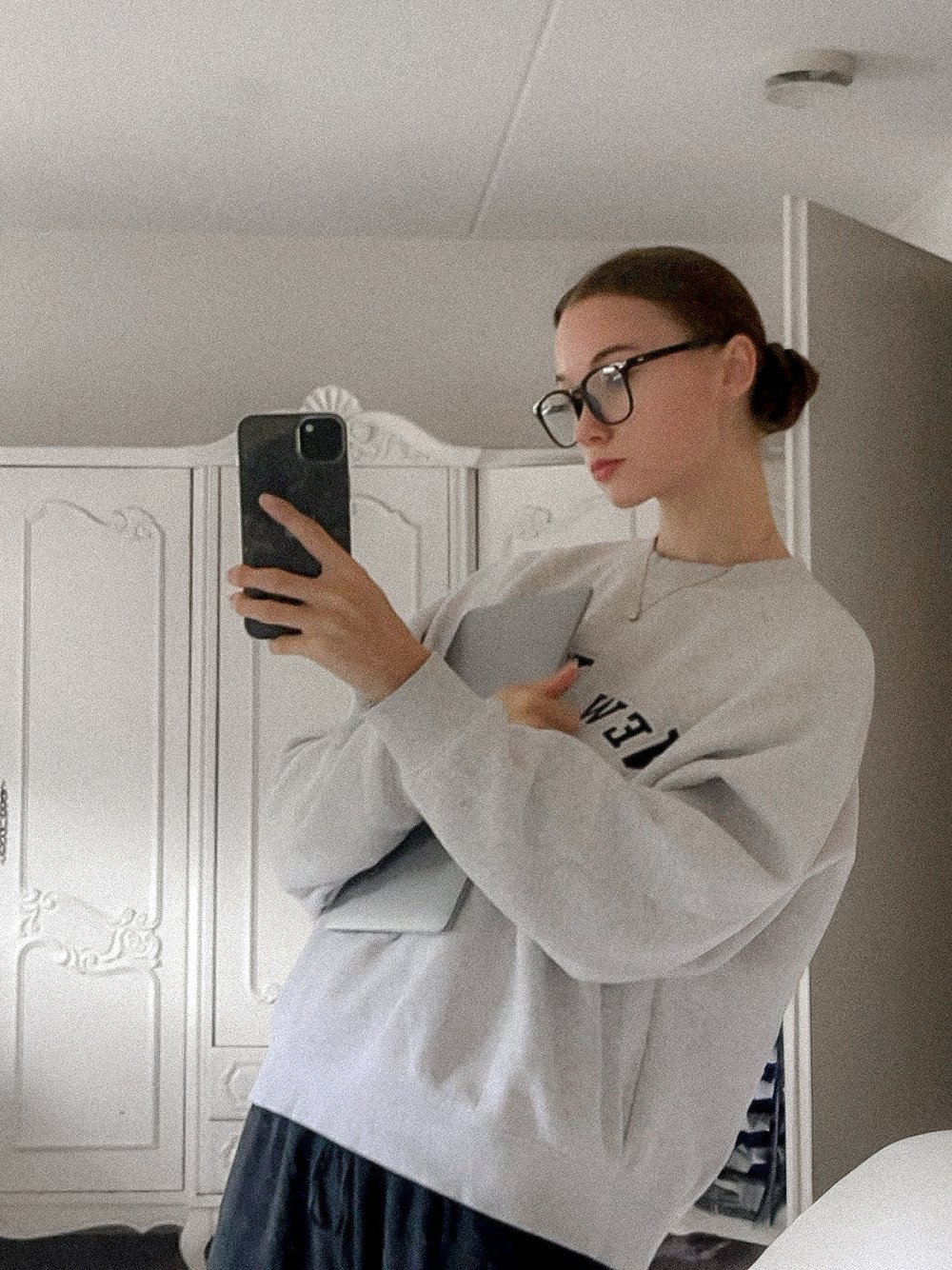
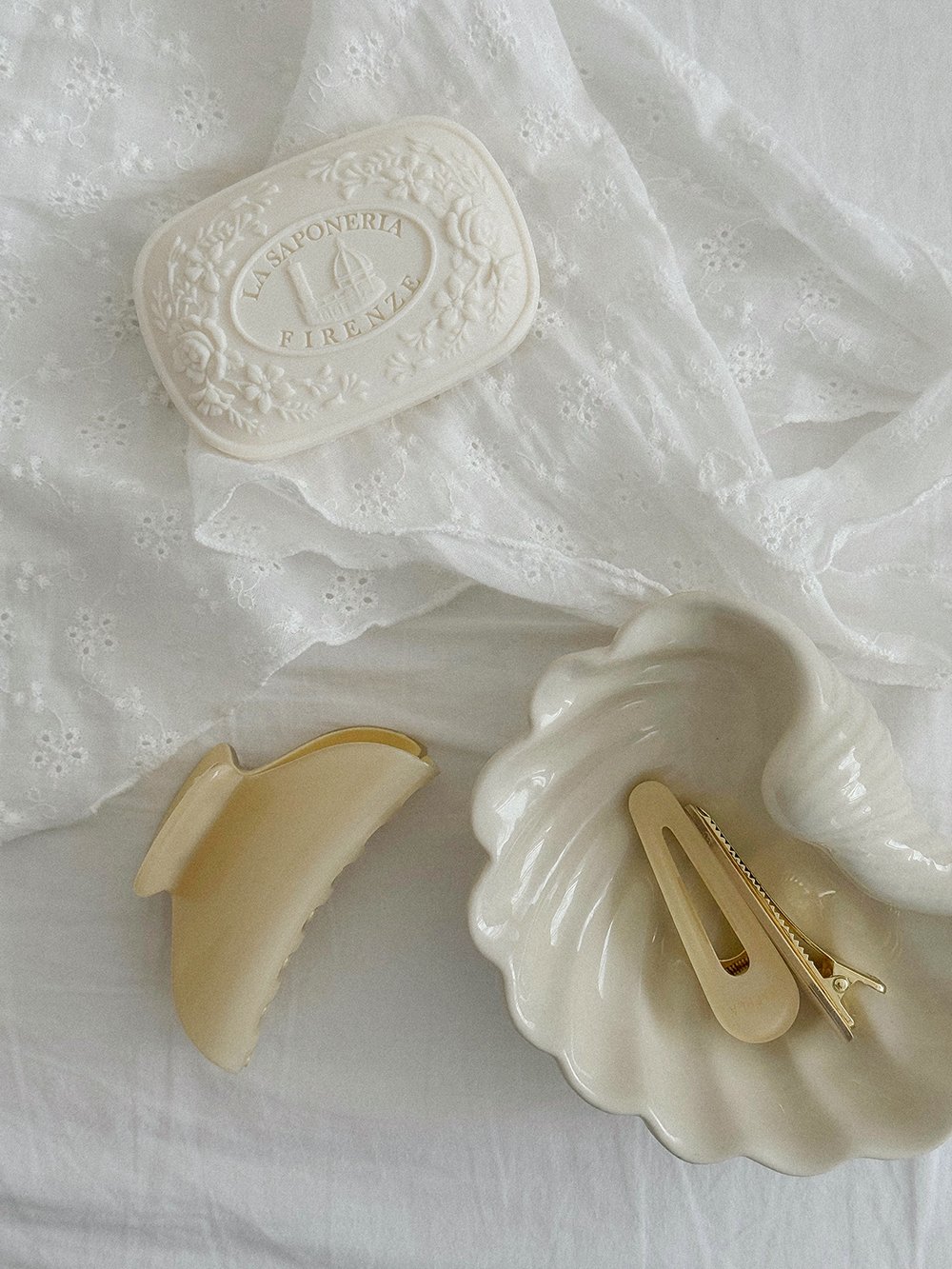
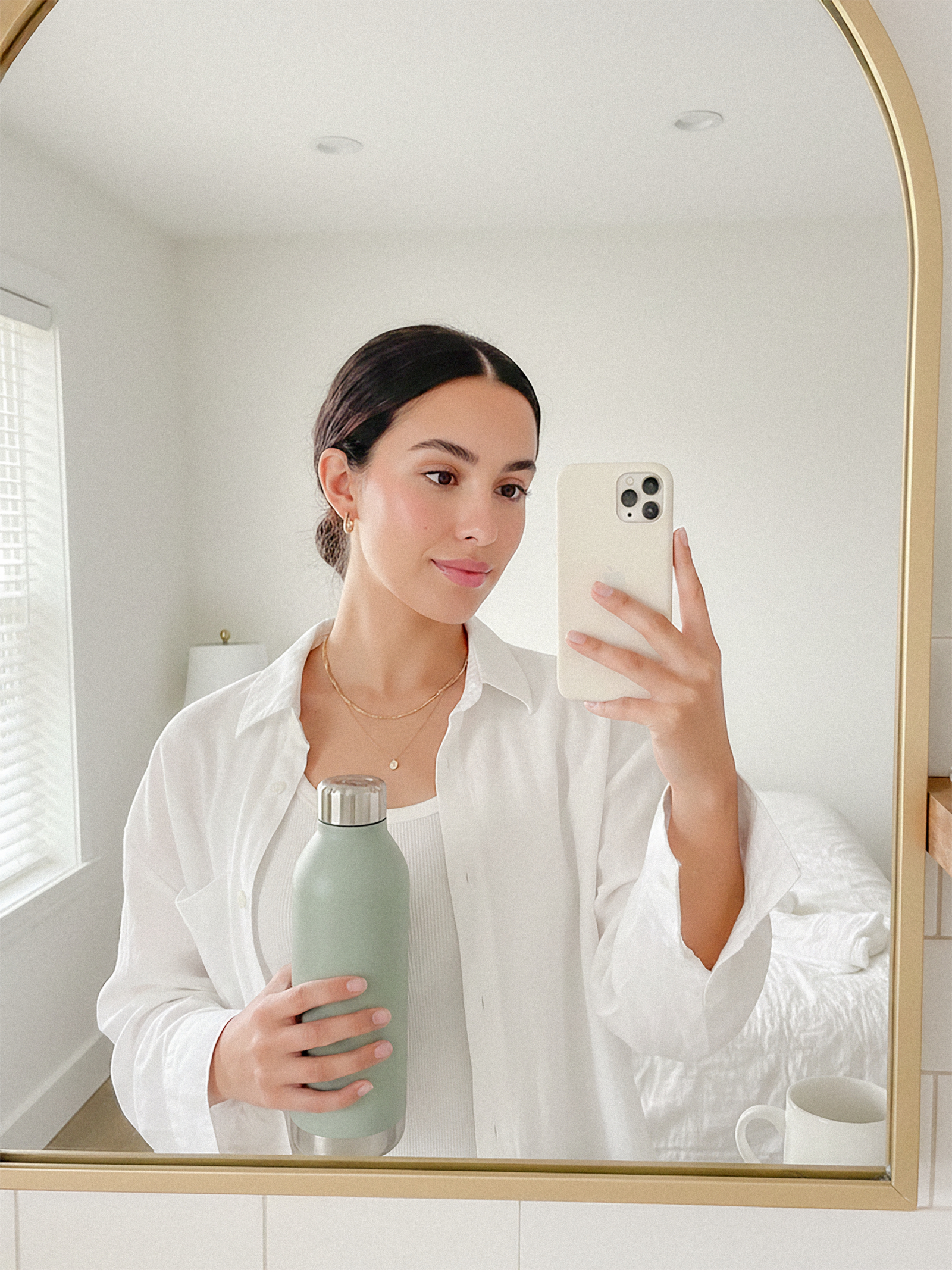
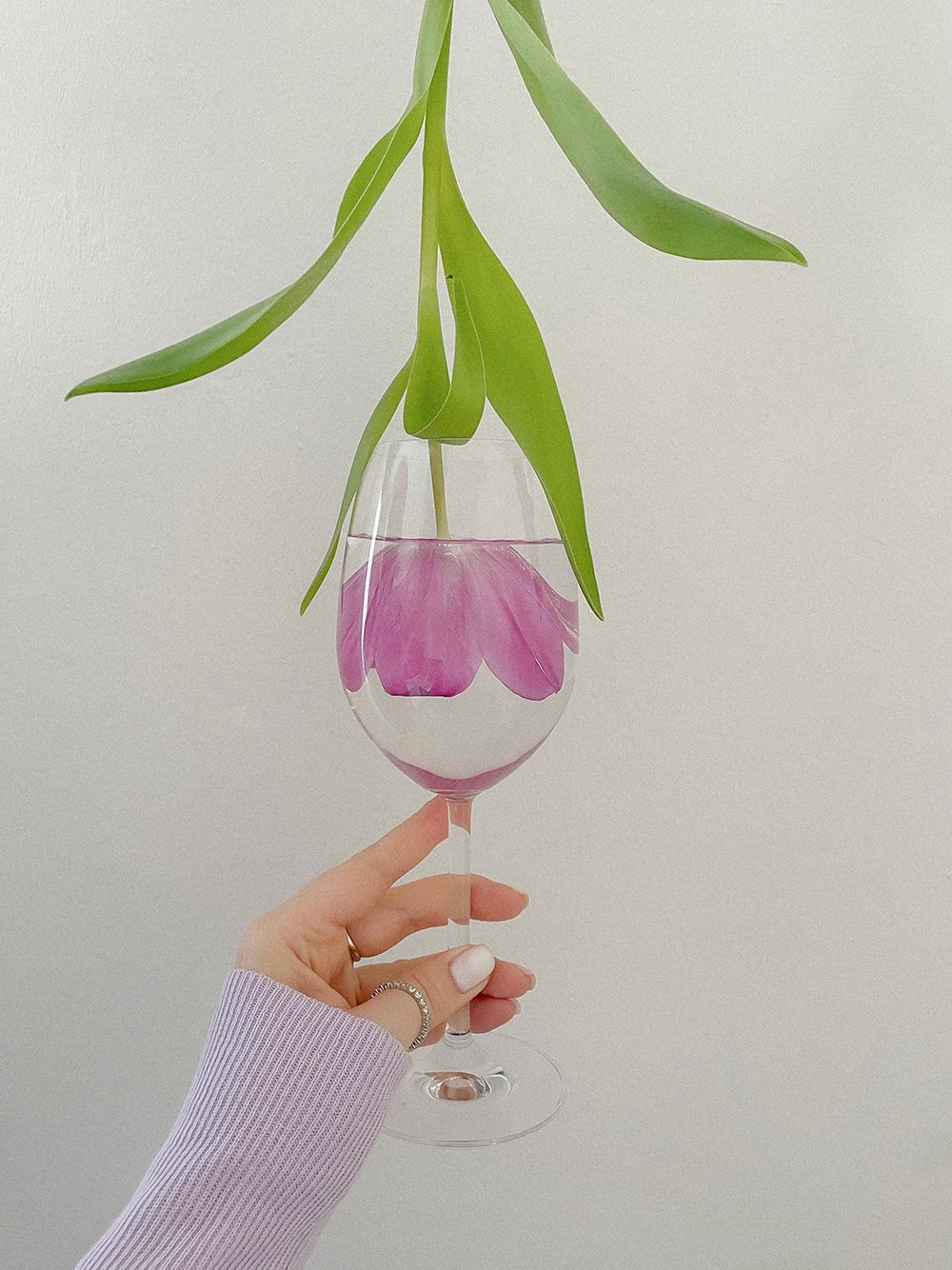
Dewy, sun-kissed skin; hair slicked back in a neat bun, tiny gold hoop earrings. An oversized water bottle (or iced matcha latte) in hand on the way to a Pilates class. White, light pink or light green color palette look. This image captures the essence of the clean girl. And we’ve seen it a lot online and irl in the last few years.
The “clean girl aesthetic” became one of the defining looks of the early 2020s, and it did not get there by accident. At its core, it’s a polished kind of minimalism. Glowy skin, slicked-back hair, simple gold jewelry, neutral outfits, and an overall vibe that says “I take care of myself.”
Even when people started calling it “over” and predicting a switch to messier, grungier looks, the clean girl never fully disappeared. It simply adapted. The details may evolve, but the appeal of looking fresh, calm, and put-together is timeless.


What “clean girl” actually means as a lifestyle
The clean girl aesthetic is not only about how someone looks, it’s about the lifestyle fantasy attached to it. It’s the idea of a life that feels organized, healthy, and steady.
In social media versions of the aesthetic, you often see routines that suggest someone has time to hydrate, move their body, care for their skin, keep their space tidy, and still show up for work or school looking effortless. That’s part of why it became so powerful: it is visual, but it is also emotional. It sells a feeling of control and ease in a world that can feel chaotic.
What makes it especially sticky is that it aligns with modern wellness culture. The clean girl look implies good sleep, good habits, and good self-care. That “fresh” face and that neat outfit do not feel random. They’re presented as the result of a balanced life, where you’re in tune with your body and your environment.
For a lot of people, it became aspirational because it looked achievable while still feeling elevated.
The rise: how social media turned it into a cultural phenomenon
The term “clean girl aesthetic” surged on TikTok around late 2021 and exploded through 2022, spreading quickly across Instagram, YouTube, and Pinterest. It took off partly because it fit perfectly into short-form content. It’s easy to film, easy to replicate, and satisfying to watch. “Get ready with me” videos, morning routines, skincare routines, capsule wardrobe edits, hair slick-back tutorials, and product roundups all naturally feed this aesthetic.
Celebrities and influencers also amplified it. Hailey Bieber in particular became closely tied to the look through her dewy “glazed” skin, minimal makeup, slick hair, and casual-luxury styling. Once brands and media started describing the look and selling products to match it, the aesthetic shifted from “trend” into a whole category, with endless versions across different budgets.
The look: fashion, beauty, and the clean girl signature
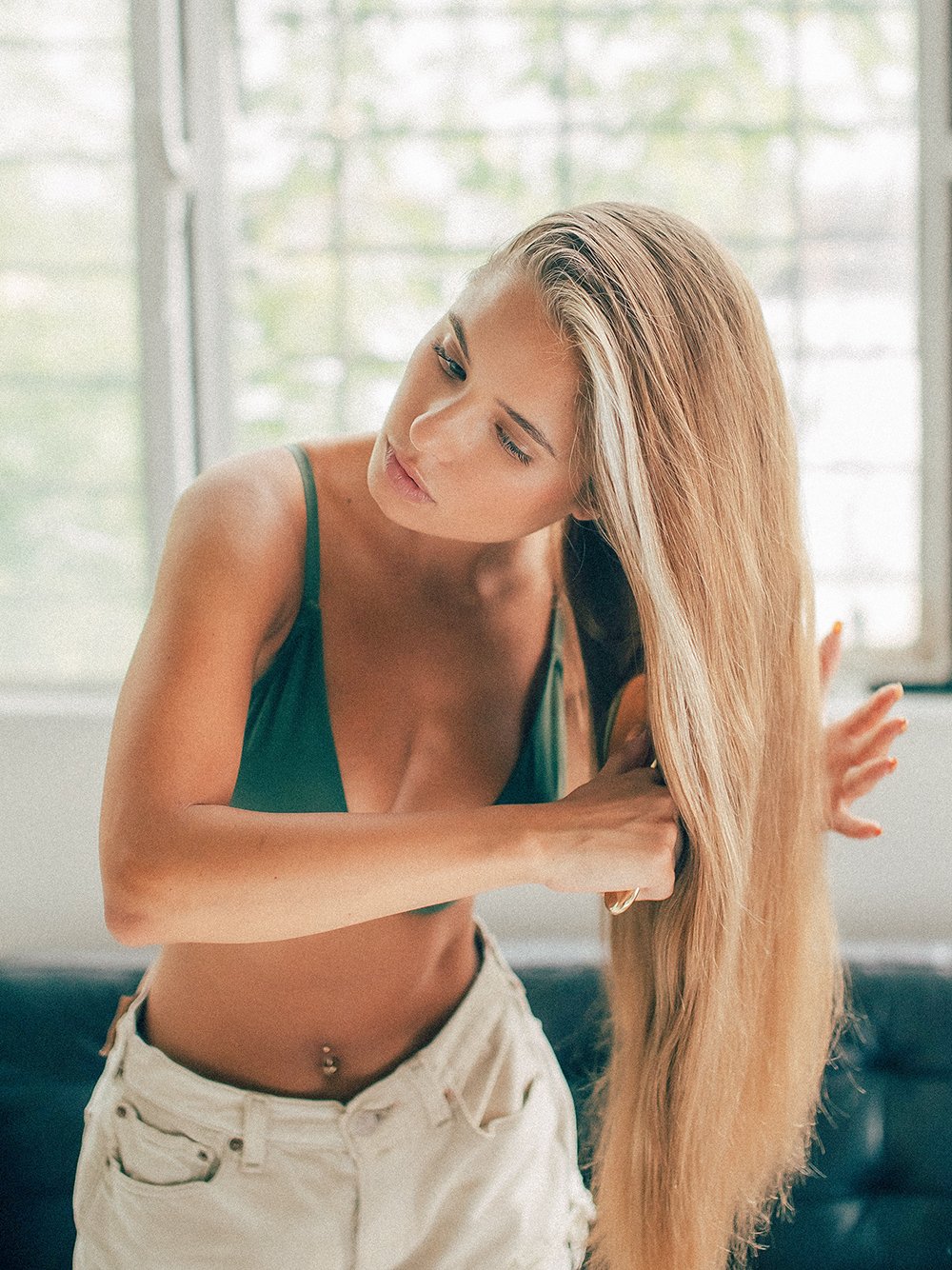
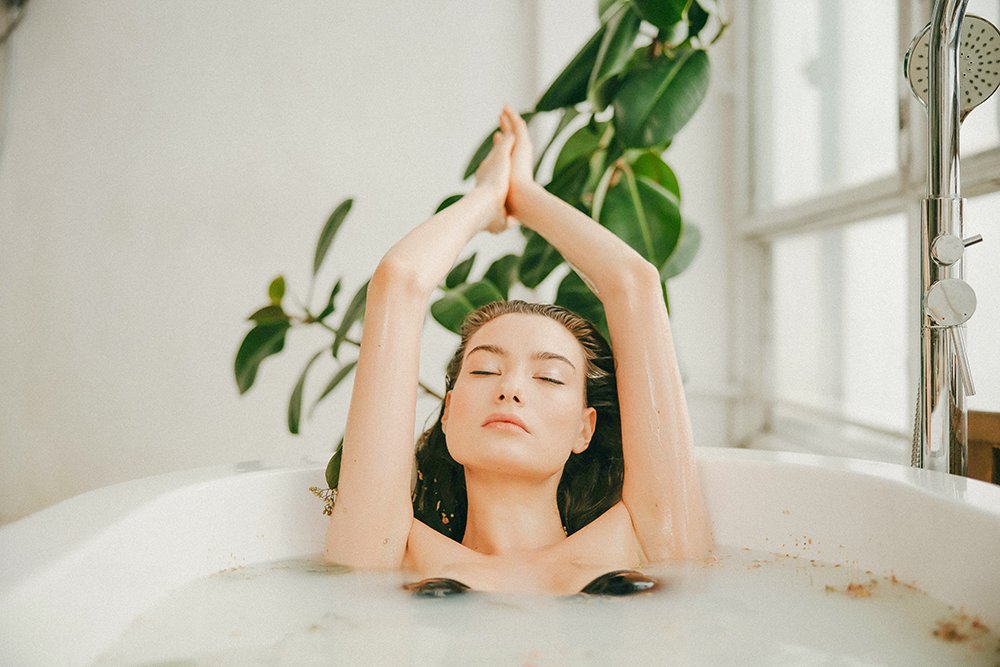
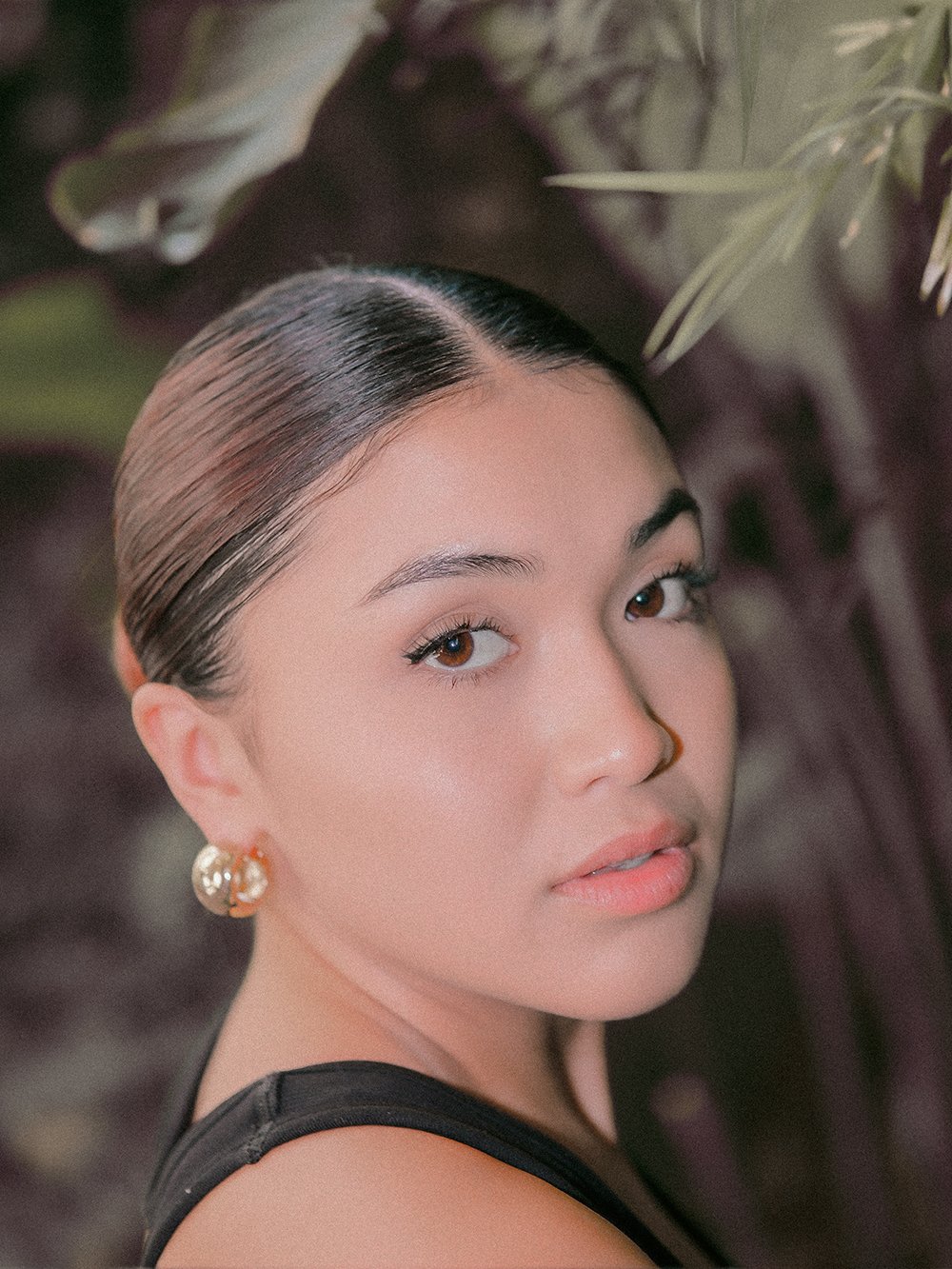
Visually, clean girl beauty is about skin that looks healthy and hydrated, makeup that enhances rather than transforms, and grooming that reads as intentional. The base is usually a skin tint or light coverage, paired with subtle concealer where needed. Blush and bronzer are soft and strategic, brows look full and brushed up, and lips are usually glossy or balm-like. The effect is meant to feel natural, but it is often more curated than it appears.
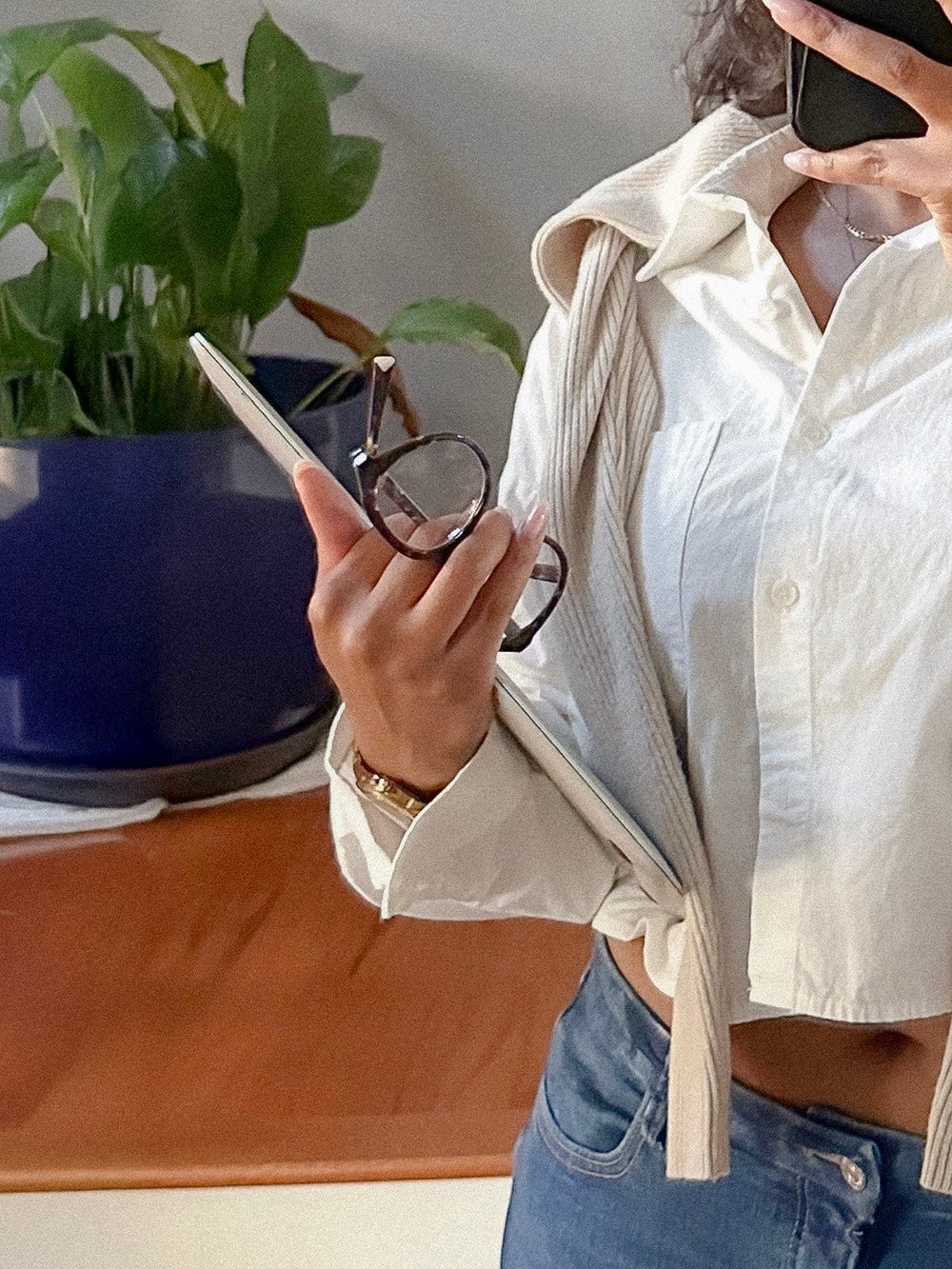
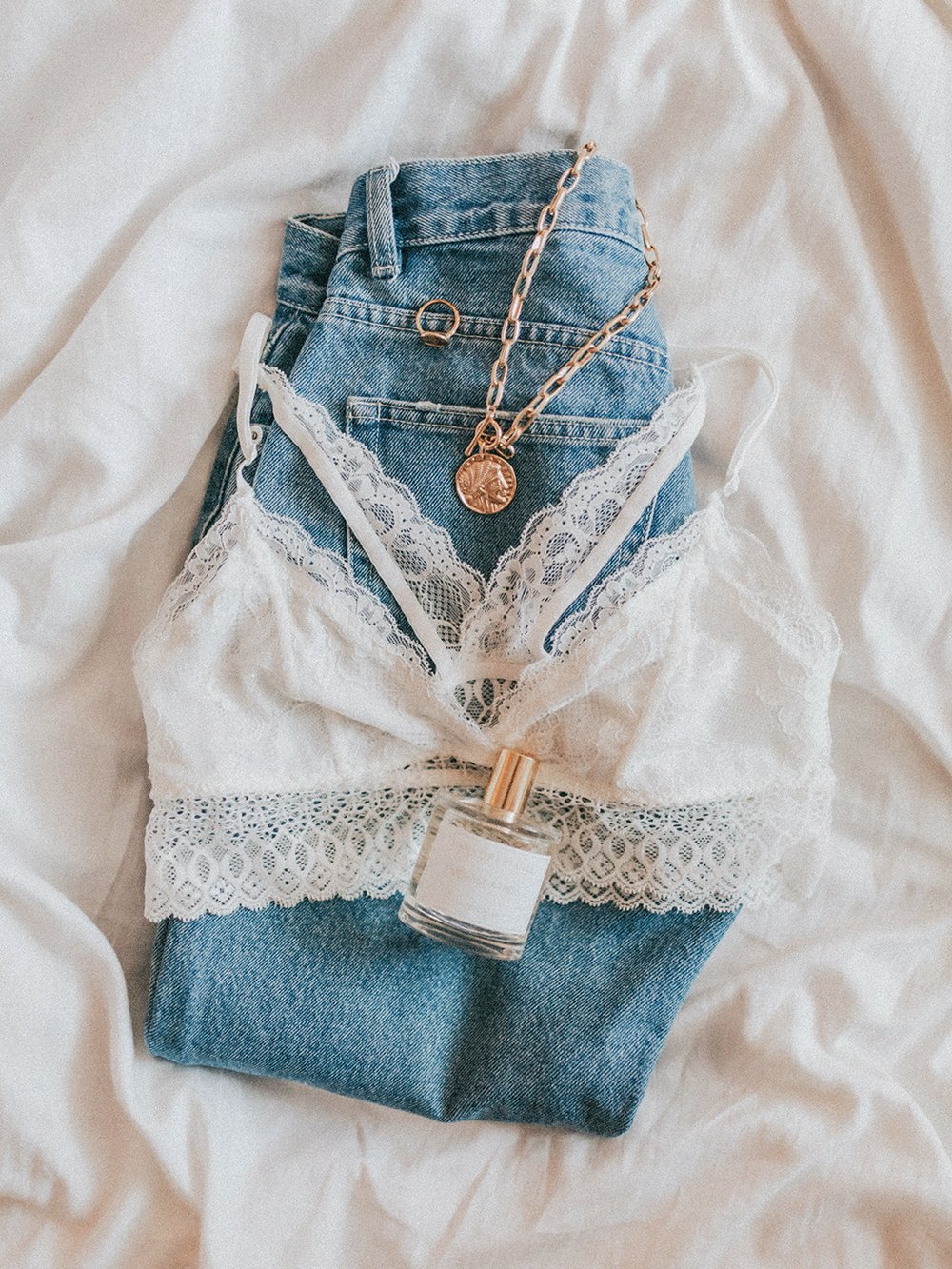
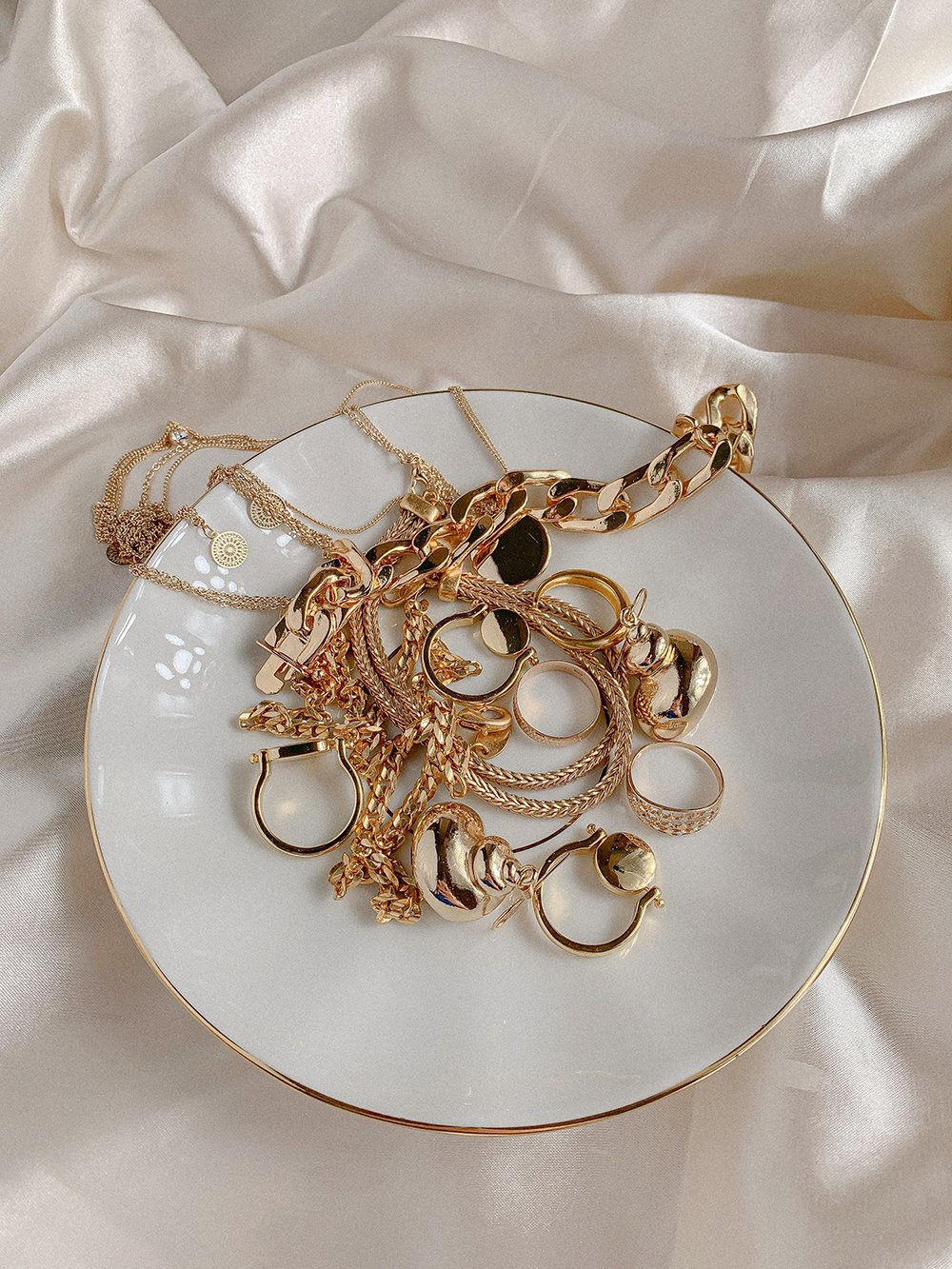
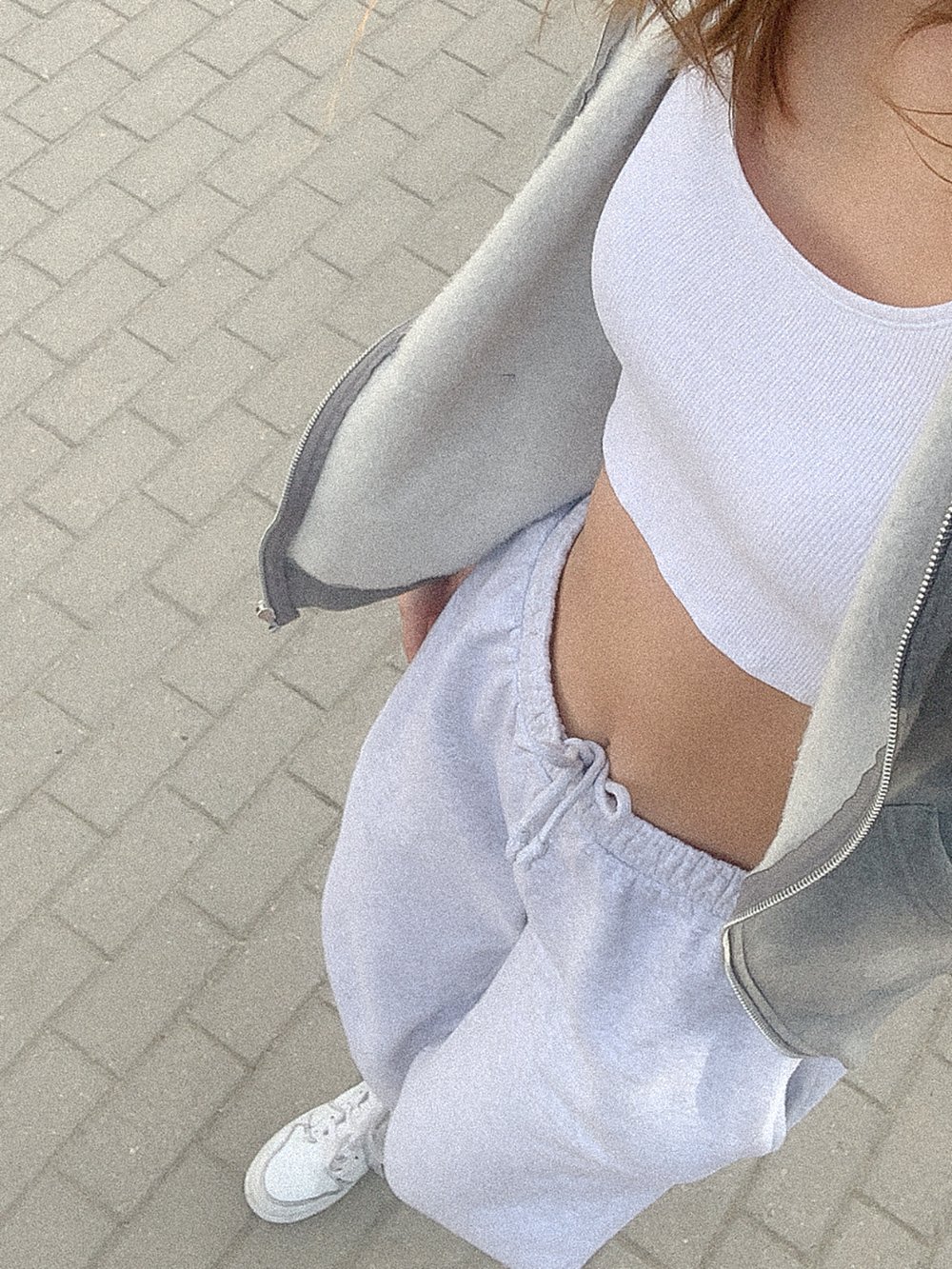
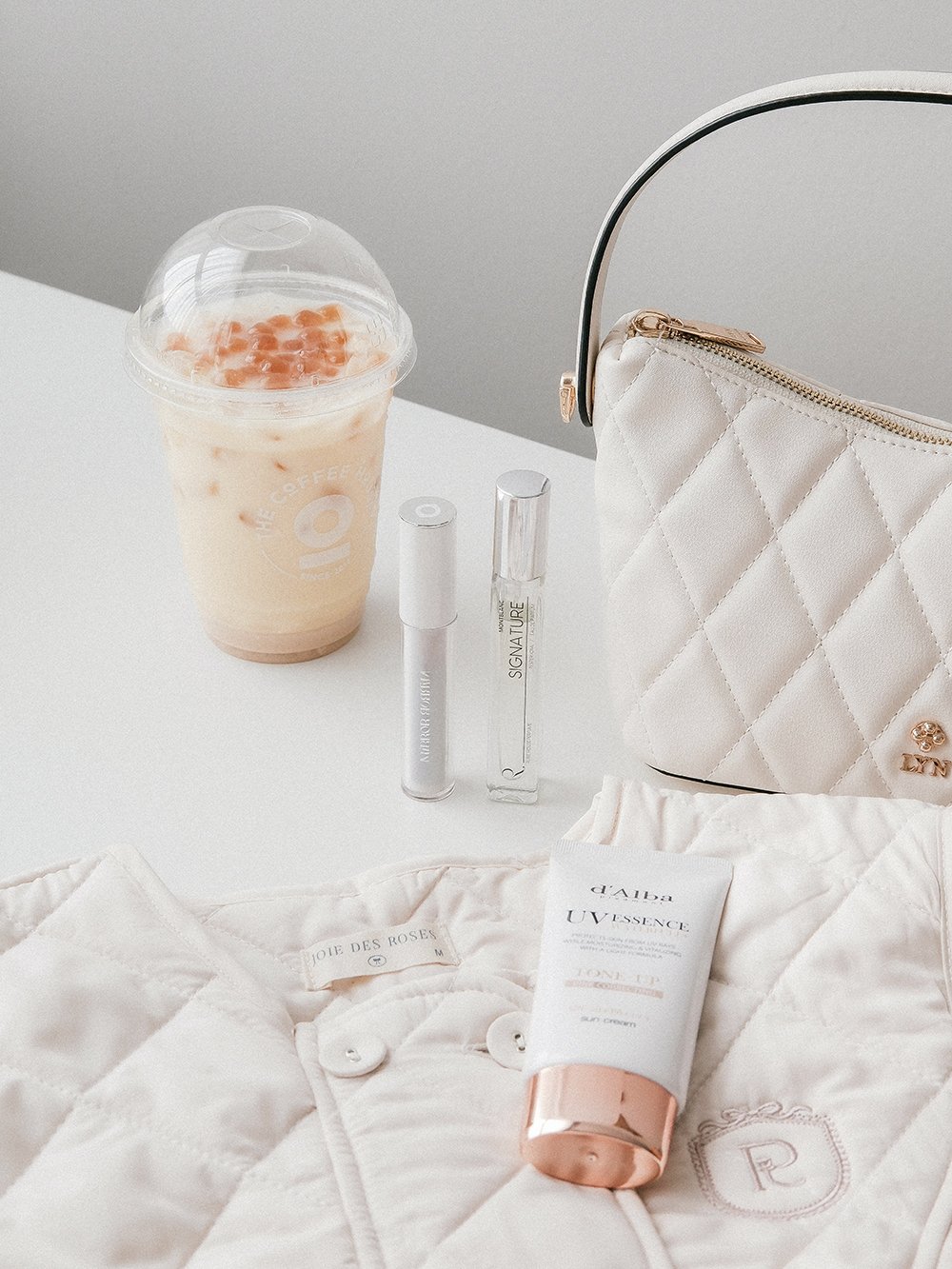
Hair is typically smooth and controlled, most famously a sleek bun or ponytail with a clean part, though there are many variations. Nails follow the same logic as everything else: neat, minimal, and often sheer. On the fashion side, the wardrobe leans neutral and classic. It’s built on clean lines, basic pieces, and a sense of cohesion. Instead of bold prints or maximal styling, the focus is on fit, quality, and how effortlessly everything works together. Accessories usually stay minimal too, with small gold hoops, delicate chains, and simple bags.
The result is a style that can read as “quiet luxury” even when the items themselves are not expensive, because the overall impression is polished and consistent.


Why it’s so appealing, even now
The clean girl aesthetic hits a sweet spot: it’s simple, wearable, flattering, and easy to adapt. It also communicates a kind of competence. It suggests that someone has their life together, even if that is not always true behind the scenes. In a culture shaped by constant content, constant comparison, and constant new microtrends, a clean, minimal look feels like a relief. It’s a visual reset.
It also offers structure. If you are someone who wants to feel more grounded, it’s natural to be drawn to a style that comes with routines, habits, and a clear “formula” for looking and feeling better. And because so much of the look is built on staples, it doesn’t age as quickly as more extreme aesthetics. That’s one reason it has stayed relevant. Even when it’s not the headline trend, it remains a default style language for a lot of people.

The critique: what the clean girl conversation gets complicated
At the same time, the clean girl aesthetic has been criticized for a few important reasons, and these critiques are worth understanding if you want to talk about it thoughtfully.
One major critique is about credit and cultural context. Many of the beauty and styling elements that got labeled “clean girl” have long existed in Black, Latina, and other communities of color. Sleek hair, gold hoops, glossy lips, defined brows, and specific grooming practices were not invented on TikTok. What changed was that the look was repackaged under a new name and popularized in mainstream spaces, often by white influencers, and then treated as new. This is part of a broader pattern in fashion and beauty where trends are dismissed when they belong to marginalized communities and celebrated once rebranded.
Another critique is the language itself. Calling a certain look “clean” can imply that other looks are “unclean.” Even when that is not the intention, the wording carries baggage, especially because beauty standards have historically been tied to class, race, and ideas of “purity.” The trend can also feel exclusive when the “ideal” clean girl image is narrow: slim, blemish-free, effortlessly polished, and living a life with enough time and money to maintain it.
There is also a consumerism trap. The aesthetic presents itself as minimal, but chasing that “effortless” glow can become expensive and time-consuming. Skincare routines can balloon into a cabinet full of products, “simple” outfits become a long list of curated basics, and the lifestyle can quietly turn into an expectation of constant self-optimization. When that happens, the aesthetic stops being inspiring and starts feeling like pressure.
Is it dying? Or just changing shape?
The clean girl look has faced a visible pushback, especially as “messy,” “grungy,” and more chaotic aesthetics gained attention. You can see this in the return of smudged eyeliner, textured hair, bolder styling, and a general mood shift toward imperfection and edge. But the clean girl did not disappear. It evolved.
One of the biggest changes is that people are less strict about the uniform. Instead of copying a single template, many now use the clean girl look as a foundation and add personal touches. Another shift is greater self-awareness. More creators acknowledge that the “natural” look still takes effort, and some are more open about the routines and the reality behind the polish. In that sense, it’s becoming less of a rigid aesthetic and more of a classic style direction. It is no longer just a trend, it’s part of the mainstream vocabulary.

How to incorporate it in the healthiest possible way
If you love the clean girl aesthetic, you can absolutely adopt it without turning it into a stressful standard. The healthiest approach is to treat it as a set of gentle principles, not a rulebook.
Start with the parts that genuinely improve your life. Hydration, movement, sleep, and basic skincare are all great goals, but they should support your well-being, not punish you. Focus on consistency instead of perfection. The real point is to feel good and take care of yourself in a way that’s sustainable.
When it comes to beauty and fashion, keep it simple and personal. You do not need to buy a new identity. You can create a clean look with a small routine, a few reliable staples, and good grooming habits. Use what you already own and build slowly. A clean girl wardrobe can be as simple as a great white tee, jeans that fit you well, one neutral jacket, and shoes you can actually live in. Makeup can be minimal and still feel special if you prioritize skin health and a few products that enhance your features.
Most importantly, make space for reality. Nobody looks polished every day. The clean girl aesthetic becomes toxic when it convinces you that you must always look fresh, calm, and perfect. You are allowed to be tired, messy, experimental, bold, and inconsistent. If you want to wear heavy eyeliner one night and go bare-faced the next morning, that’s not a failure, that’s being human.
A good way to keep this aesthetic positive is to approach it with awareness: credit the roots of what inspires you, avoid language that implies moral superiority, and remember that style is meant to express you, not control you. When you do that, the clean girl aesthetic becomes what it should have been all along: a beautiful, calming style option that can support a healthier, more intentional life.


Love,
Lucy ♡₊˚
Sources & Further Reading
This article was informed by a combination of fashion journalism, cultural analysis, and commentary from leading lifestyle and beauty publications, as well as academic and independent essays examining the social impact of online aesthetics.
- British Vogue – “Why the Clean Girl Aesthetic Refuses to Die” (2025)
Analysis of the longevity, evolution, and mainstream adoption of the clean girl aesthetic, including its relationship to minimalism, beauty trends, and quiet luxury. - Who What Wear – “Is the Clean Girl Still Relevant? How TikTok’s Longest-Running Aesthetic Has Evolved” (2025)
In-depth exploration of the trend’s rise on TikTok, its post-pandemic context, and how it has adapted in response to backlash and changing cultural moods. - Seventeen Magazine – “Here’s a Rundown on the Clean Girl Aesthetic That’s Dominating TikTok” (2023)
Overview of the aesthetic’s viral growth, defining beauty and fashion traits, and early critiques surrounding inclusivity and originality. - Mochi Magazine – “Unpacking the ‘Clean Girl’ Phenomenon” (2024)
Cultural critique focusing on appropriation, the rebranding of long-standing beauty practices, and the role of race and representation in trend cycles. - Essence – “Is the ‘Soft Life’ Rhetoric Changing the Way We Dress?” (2023)
Commentary on how wellness aesthetics, including the clean girl look, intersect with race, privilege, and modern femininity. - The Lilypad (Duke University) – “Performative Femininity: The Dirt Behind the Clean Girl Aesthetic” (2025)
Academic-style essay analyzing classism, consumerism, gender expectations, and the moral language embedded in the concept of “clean” aesthetics. - Boulevard Magazine / Independent Cultural Blogs – Articles on Black and Brown women’s historical influence on so-called “clean” beauty and style
Discussions highlighting how elements of the aesthetic existed long before TikTok, particularly within Black, Latina, and South Asian communities. - Additional trend analysis from TikTok cultural commentary, fashion editors, and beauty industry reporting (2021–2025), examining the clean girl aesthetic alongside related movements such as “that girl,” “soft life,” and “quiet luxury.”